How to Determine Your Dosha: Vata, Pitta, or Kapha Quiz
A practical self-assessment guide to identifying your Ayurvedic dosha and what it means for your diet, stress response, and wellness routine.
What Is a Dosha, and Why Does It Matter?
In Ayurveda, the 5,000-year-old healing system from India, everything in the body is governed by three biological energies called doshas: Vata, Pitta, and Kapha. Each of us is born with a unique ratio of all three, called our prakriti, or natural constitution. One dosha is usually dominant, sometimes two are closely balanced, and rarely all three sit at equal strength.
Vata governs movement: breathing, circulation, nerve impulses, and the mind's tendency to jump between ideas. Pitta governs transformation: digestion, metabolism, and how you process both food and emotion. Kapha governs structure: your body's tissue, lubrication, and its capacity for stability and endurance. None is "better" than the others. Each brings strengths and specific vulnerabilities.
Knowing your dosha isn't a personality quiz for fun, it's practical information. It shapes which foods sit well with you, what kind of exercise actually restores rather than depletes you, how you're likely to respond to stress, and which Ayurvedic treatments will work with your body instead of against it. At Shanti Dhara Wellness, every treatment plan, from oil selection in an Abhyanga massage to the herbs used in a facial, starts with a dosha assessment because a Vata-dominant nervous system needs a very different approach than a Pitta-dominant one running hot and fast.
The quiz below is a practical starting point, not a clinical diagnosis. It'll give you a strong sense of your dominant dosha or doshas so you can start making better-informed choices about diet, routine, and which treatments to book first.
The Self-Assessment Quiz: Body and Physical Traits
Answer honestly based on your natural tendencies over your lifetime, not how you feel on a stressful Tuesday. For each category, note which description fits you best.
Body frame and weight
- Vata: Thin, light frame. Struggles to gain weight even when eating well. Prominent joints or veins.
- Pitta: Medium, athletic build. Gains and loses weight relatively easily with moderate effort.
- Kapha: Solid, sturdy frame. Gains weight easily, loses it slowly even with consistent effort.
Skin and hair
- Vata: Dry, thin, cool skin. Hair tends to be dry or frizzy.
- Pitta: Warm, reddish, or sensitive skin, prone to rashes or irritation. Hair may thin early or gray sooner.
- Kapha: Thick, oily, smooth skin. Hair is thick, wavy, and lustrous.
Appetite and digestion
- Vata: Irregular appetite, sometimes forgets to eat, prone to gas or bloating.
- Pitta: Strong, sharp appetite. Gets irritable or "hangry" if a meal is delayed.
- Kapha: Steady but low appetite. Can skip meals comfortably, digestion runs slow.
Tally which column you selected most across these three categories. Keep that tally as you move to the next section on mental and emotional traits, which carries equal weight in determining your dominant dosha.

A dosha consultation looks at physical traits, digestion, and mental patterns together, not just one symptom in isolation.
The Self-Assessment Quiz: Mind and Behavior
Physical traits are only half the picture. Your mental and emotional patterns often reveal your dosha even more clearly, especially under stress.
Thinking style
- Vata: Quick, creative, jumps between ideas fast. Can struggle to finish one thing before starting another.
- Pitta: Sharp, focused, and goal-oriented. Likes to analyze, debate, and win arguments.
- Kapha: Slow, steady, methodical. Takes longer to learn something new but retains it well once it sticks.
Stress response
- Vata: Becomes anxious, scattered, or worried. Sleep is often the first thing to suffer.
- Pitta: Becomes irritable, critical, or short-tempered. May snap at people close to them.
- Kapha: Becomes withdrawn, sluggish, or resistant to change. May emotionally eat or avoid the issue.
Sleep patterns
- Vata: Light sleeper, mind races at night, wakes easily.
- Pitta: Falls asleep fine but may wake around 2-3am feeling warm or wired.
- Kapha: Deep, heavy sleeper. Can oversleep and still feel groggy.
Add these three answers to your earlier tally. Whichever dosha has the most matches across all six categories is likely your dominant one. If two doshas are close, you probably have a dual-dosha constitution (Vata-Pitta or Pitta-Kapha are the most common combinations), which is completely normal and just means your care routine should address both.
What Your Dosha Means for Diet and Daily Routine
Once you know your dominant dosha, the next question is what to actually do with that information. Each constitution thrives on a different rhythm.
If you're Vata-dominant: your priority is grounding and warmth. Favor warm, cooked, slightly oily foods, think soups, stews, and root vegetables, over cold salads or raw food. Keep a consistent daily schedule since irregularity is what throws Vata off balance fastest. Regular self-massage with warm sesame oil (Abhyanga) is one of the most effective daily practices for calming an overactive Vata nervous system.
If you're Pitta-dominant: your priority is cooling and moderation. Favor cooling foods like cucumber, coconut, and leafy greens, and go easy on spicy, fried, or heavily salted meals which tend to inflame Pitta's already sharp digestive fire. Avoid exercising or being outside during the hottest part of the day. Treatments involving cooling oils like coconut or sandalwood work especially well for Pitta types, and a treatment like Shirodhara done with the right oil temperature can meaningfully ease Pitta-driven irritability and racing thoughts.
If you're Kapha-dominant: your priority is stimulation and movement. Favor light, warm, spiced foods and reduce dairy, sugar, and heavy fried foods, which all increase Kapha's already sluggish tendency. Vigorous exercise, ideally in the morning, counteracts the lethargy Kapha types can slide into. Invigorating treatments using warming herbal poultices, like Podikizhi therapy, help move stagnant energy and are often the single most effective option for Kapha clients dealing with heaviness or low motivation.
Most people benefit from an in-person consultation to confirm what a self-quiz suggests, especially if your quiz results were close between two doshas. A trained practitioner can look at pulse, tongue, and other physical signs that are harder to self-assess accurately.
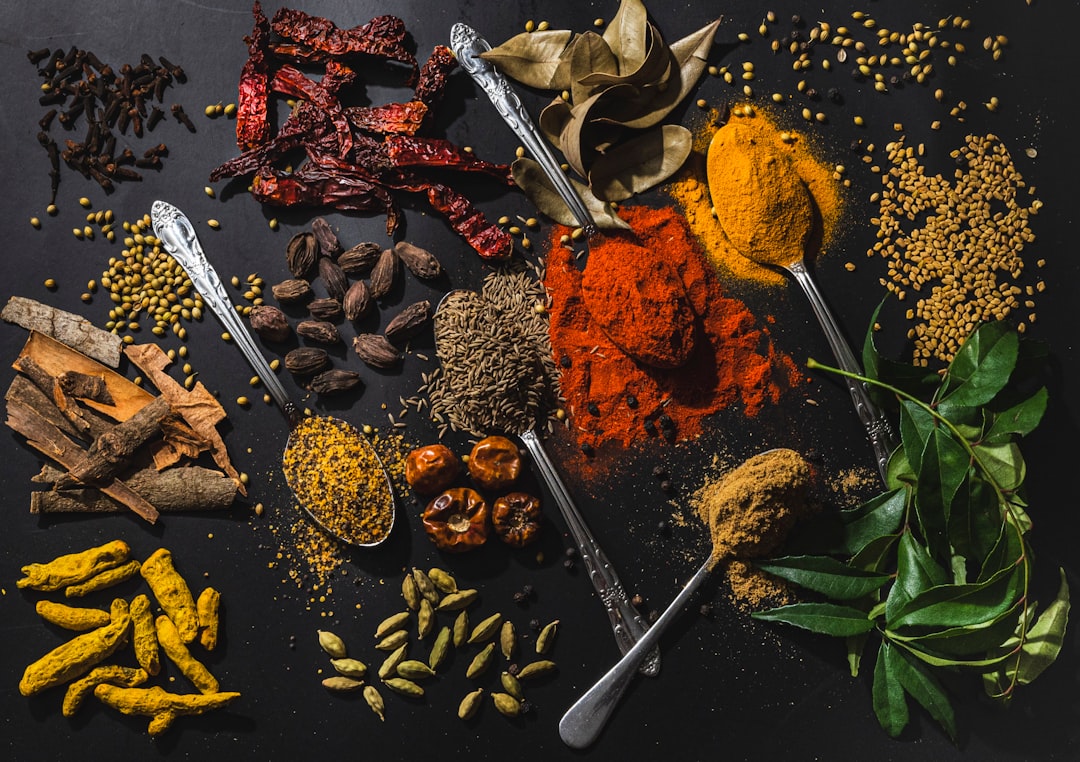
Warming spices like ginger and cinnamon support Vata and Kapha, while cooling ones like coriander and fennel suit Pitta constitutions best.
Frequently Asked Questions
Can my dosha change over time?
Your prakriti, your base constitution, stays fixed for life. What changes is your vikriti, your current state of imbalance, which shifts with age, seasons, stress, and lifestyle. Someone born Pitta-dominant might show Vata symptoms (anxiety, dry skin) during a stressful, under-slept season. That's why Ayurvedic practitioners assess both your baseline and your current state, not just one snapshot.
What if I scored evenly across all three doshas?
A small percentage of people have a fairly even tridoshic constitution. If your quiz results were genuinely spread evenly, pay closer attention to your current symptoms rather than your baseline traits, and consider booking a consultation where a practitioner can check pulse and other physical indicators a self-quiz can't fully capture.
Is this quiz as accurate as seeing a practitioner in person?
It's a solid starting point but not a replacement. Self-assessment quizzes rely on your own perception of your traits, which isn't always objective. An in-person consultation adds pulse diagnosis, tongue examination, and a trained eye for signs you might not think to report yourself.
Do I need to know my dosha before booking a treatment at Shanti Dhara?
No, it helps but isn't required. Every new client consultation at Shanti Dhara Wellness includes a dosha assessment as part of the intake, so even if you're unsure after taking this quiz, we'll confirm it before your first session and tailor oils and techniques accordingly.
Can two people have the same dosha but need different treatments?
Yes. Dosha is the starting framework, but current imbalances, health history, and specific goals (like chronic pain versus stress relief) all shape the actual treatment plan. Two Vata-dominant clients might leave with very different oil and treatment recommendations depending on what's currently out of balance for each of them.
About the author
Ruby
Owner, Shanti Dhara Wellness
Owner of Shanti Dhara Wellness, a MedSpa in Palo Alto, CA offering traditional Ayurvedic treatments including Abhyanga body treatments, Shirodhara, and herbal scalp therapies.