Panchakarma Detox Programs at Shanti Dhara Wellness
Multi-day Ayurvedic detox combining Abhyanga, Shirodhara, and Podikizhi at Shanti Dhara Wellness in Palo Alto. What's included, who it's for, and what it costs.
What Panchakarma Actually Means
Panchakarma translates to "five actions," the classical Ayurvedic cleansing protocol described in texts like the Charaka Samhita. It's not a single treatment, it's a structured, multi-day program that combines several therapies in sequence to release accumulated toxins (ama) from the body's tissues. Traditional Panchakarma in India can run 14-21 days with strict dietary controls, but that's not practical for most people balancing work and family in the Bay Area.
At Shanti Dhara Wellness, our Panchakarma-inspired detox program adapts the core sequence into a realistic 3-to-7 day format. You still get the essential elements: oil-based bodywork to loosen toxins from tissue, targeted therapies to move them toward elimination channels, and dietary guidance to support the process. What you don't get is a rigid three-week commitment that most Palo Alto schedules can't absorb.
The sequence typically opens with Abhyanga (warm oil massage) to soften tissues, moves into Podikizhi (heated herbal poultice work) for deeper muscle release, and closes each day with Shirodhara to calm the nervous system as the body processes the physical work. Practitioners adjust oils, herbs, and pressure based on your dosha (Vata, Pitta, or Kapha), which is assessed before your first session.
Clients often ask why this needs to be a program rather than a single strong session. The honest answer: single treatments create a temporary shift, but tissues need repeated, sequential input over several days to actually release stored toxins and reset patterns like poor digestion, disrupted sleep, or chronic stiffness. One massage relaxes you. Four days of sequenced therapy changes how your body processes stress.
Who This Program Is For (and Who Should Wait)
Panchakarma-style detox programs suit a specific set of situations best. If you're dealing with chronic fatigue that doesn't respond to sleep, digestive issues that flare with stress, joint stiffness that single massages only temporarily fix, or you simply feel "stuck" despite eating well and exercising, a multi-day program addresses root patterns that a one-off Abhyanga session can't reach.
It's also a good fit around seasonal transitions. Ayurvedic tradition recommends detox work at the change of seasons, specifically spring and fall in the Bay Area's mild climate, when the body is naturally shifting its internal balance. Many Shanti Dhara clients book their program in early spring or early fall for this reason.
- Good candidates: chronic low energy, sluggish digestion, recurring muscle tension, stress-related sleep issues, general "reset" after a demanding work period.
- Wait or consult first: pregnancy, recent surgery, active infection, uncontrolled chronic illness, or if you're currently under a physician's care for a condition affecting circulation or the nervous system.
- Not a fit: anyone looking for rapid weight loss. This is a physiological reset, not a weight-loss program, and framing it that way sets the wrong expectation.
We always start new Panchakarma clients with a consultation and dosha assessment before committing to a multi-day program. It's the only way to build a sequence, oils, and intensity that actually matches your constitution instead of a generic template.
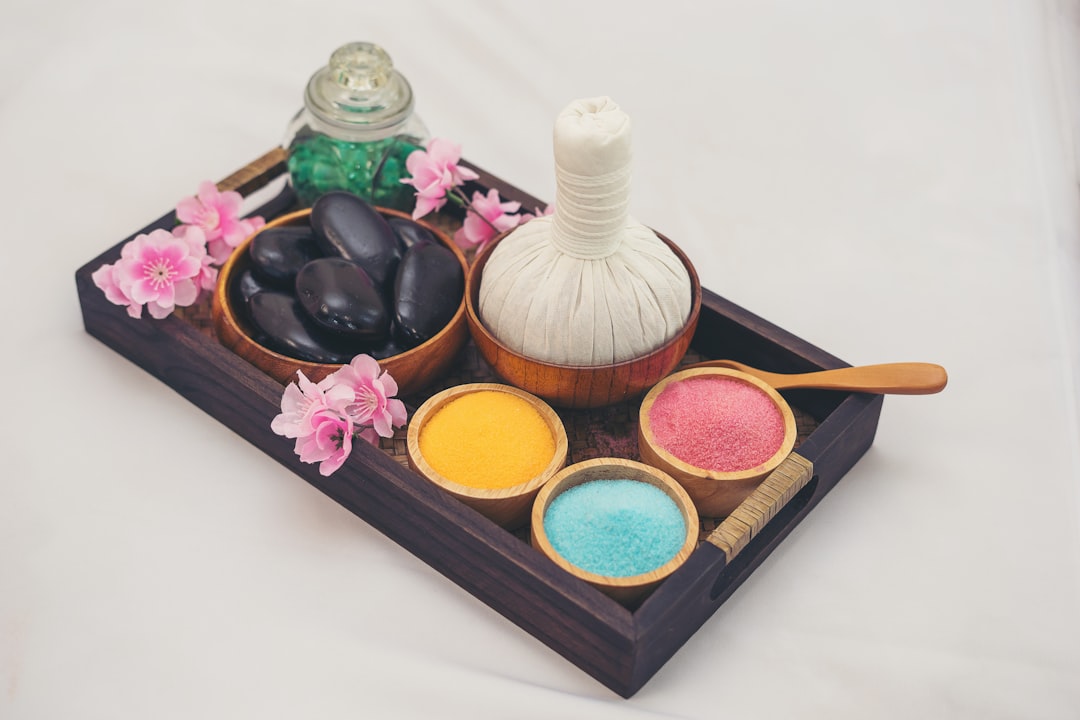
Dosha-specific herbal oils form the foundation of every Panchakarma-style sequence, chosen fresh for each client's constitution.
What a 3-Day Program Looks Like Day by Day
Shanti Dhara's most-booked entry point is the 3-day program, designed for clients trying Panchakarma-style detox for the first time. Here's a realistic breakdown:
Day 1: Assessment and opening treatment. Your visit starts with a dosha consultation, roughly 15 minutes, followed by a 75-minute Abhyanga session using oil matched to your constitution. The goal on day one is loosening surface tension and beginning circulation work. Most clients leave feeling relaxed but not dramatically different yet, that comes later in the sequence.
Day 2: Deeper release. This session adds Podikizhi, the heated herbal poultice massage, layered on top of a shorter Abhyanga. The poultices (warm cloth bundles filled with herbs like cinnamon, ginger, and turmeric) are pressed and rolled over muscle groups to draw out deeper tension. Clients with chronic stiffness typically notice the biggest shift after this session.
Day 3: Integration and calm. The final day closes with Shirodhara, the warm oil forehead treatment, paired with a lighter Abhyanga. This session is less about physical release and more about settling the nervous system after two days of active bodywork. Most clients describe day three as the most noticeably different, sleep improves that night for the majority of people who complete the full sequence.
Between sessions, you'll get simple dietary guidance: warm, cooked, easily digestible meals (think soups, kitchari, steamed vegetables), avoiding cold drinks, raw salads, caffeine excess, and alcohol during the program window. This isn't a strict fast, it's a few days of eating in a way that supports what the treatments are doing internally.
Extended Programs: 5 and 7-Day Options
For clients dealing with more entrenched issues, chronic pain lasting years, persistent digestive dysfunction, or significant accumulated stress, the 5 and 7-day programs add repetition and depth rather than new treatment types. The extra days let the body process and integrate each phase instead of moving through it once.
- 5-day program: repeats the Abhyanga-Podikizhi-Shirodhara cycle with an added Kati Vasti session for lower back-specific work, useful for clients whose main complaint is chronic back or hip tension.
- 7-day program: the full sequence with two full cycles, plus a herbal facial and a closing consultation to build a maintenance plan for oils, diet, and self-massage (Abhyanga) at home.
Longer programs aren't simply "more of the same treatment." Ayurvedic theory holds that toxins release in layers, what surfaces on day two is different from what surfaces on day five. Clients who've done both the 3-day and later a 7-day program consistently describe the extended version as reaching a different, deeper layer of tension than the shorter one touched.
Pricing scales with length and complexity: the 3-day program starts at $680, the 5-day at $1,050, and the 7-day at $1,450. All programs include the opening dosha consultation and a written home-care plan. Multi-day bookings should be made at least two weeks out since sequential day slots need to be held together.
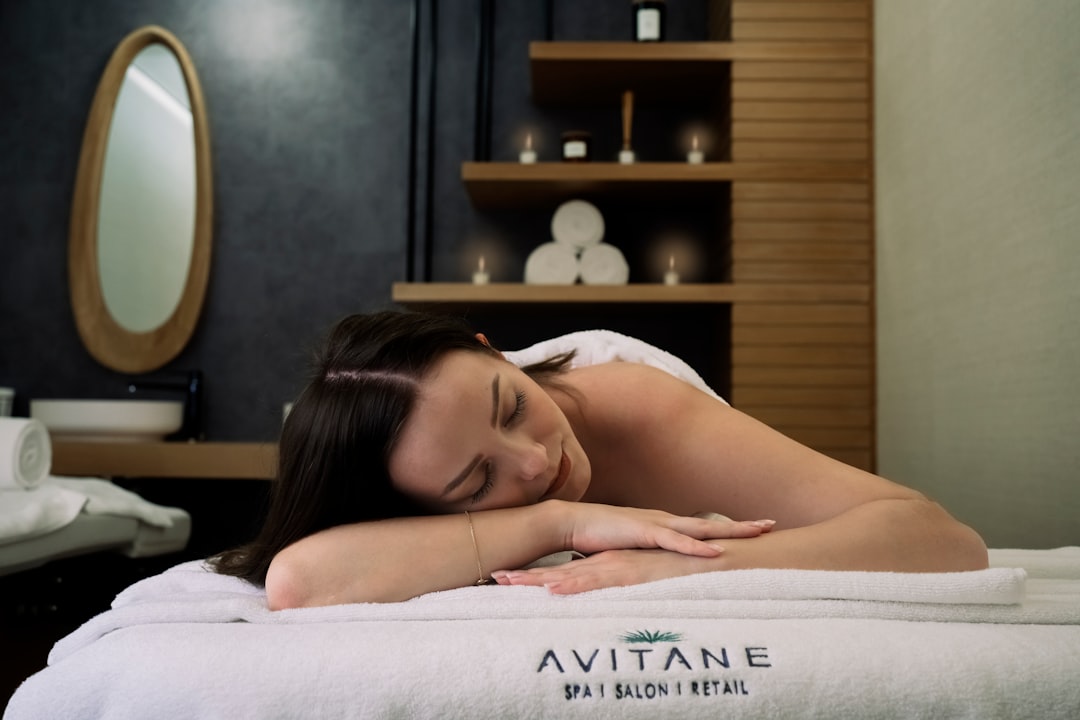
The deep calm most clients feel by day three of a Panchakarma program reflects the nervous system settling after sequential bodywork, not just muscle relaxation.
How to Prepare and What Happens After
Preparation for a multi-day program starts about 2-3 days before your first session. Ease off caffeine, alcohol, and heavy or processed foods if you can. You don't need to be perfect about it, small steps toward lighter eating make the program's opening day more effective.
During the program itself, plan your schedule around lighter obligations. This isn't the week to cram in three client dinners and a 6am flight. Evenings after treatment are often when people feel the most drowsy or introspective, so keep them open. Many Shanti Dhara clients block their program during a lighter work week or take partial time off.
Afterward, the transition matters as much as the program. Reintroducing regular foods gradually over 2-3 days, rather than jumping straight back into your normal diet the moment the program ends, helps the benefits last. We send every client home with a written plan covering: recommended self-massage oil for your dosha, foods to favor and limit for the following week, and a simple morning routine (tongue scraping, warm water, gentle stretching) that extends what the program started.
Most clients report the effects, better sleep, steadier energy, less digestive bloating, lasting 4-8 weeks before they feel the pull to book again. That's normal. Panchakarma isn't a permanent fix, it's a periodic reset that works best done seasonally, roughly two to four times a year depending on your lifestyle and stress load.
Frequently Asked Questions
Is Panchakarma the same as a juice cleanse or fast?
No. Panchakarma-style programs at Shanti Dhara involve warm, cooked, nourishing meals throughout, not fasting or juicing. The "cleansing" happens through oil-based bodywork and herbal therapies applied externally and through digestion-supportive foods, not through calorie restriction. You'll eat regularly during every day of the program.
How many days of Panchakarma do I actually need?
First-timers usually start with the 3-day program to see how their body responds. If you're managing chronic pain, long-standing digestive issues, or significant stress, the 5 or 7-day options give the body more time to process each phase. Your consultation will include a recommendation based on your dosha and current health picture.
Will I lose weight during a Panchakarma program?
Some clients notice mild, temporary water-weight shifts from reduced bloating, but this isn't a weight-loss program and shouldn't be booked with that goal. It's designed to reset digestion, energy, and stress patterns, not to produce sustained fat loss.
Can I work during a multi-day program?
Light work is fine, but we recommend avoiding demanding schedules, travel, or high-stress commitments during your program days. Evenings especially should stay open since many clients feel drowsy or reflective after treatment.
How is Panchakarma different from booking Abhyanga and Shirodhara separately?
Booking single sessions gives you a snapshot benefit, useful, but temporary. A structured Panchakarma program sequences treatments over consecutive days specifically so each one builds on the last, which is what produces the deeper, longer-lasting shift clients report compared to standalone bookings.
About the author
Ruby
Owner, Shanti Dhara Wellness
Owner of Shanti Dhara Wellness, a MedSpa in Palo Alto, CA offering traditional Ayurvedic treatments including Abhyanga body treatments, Shirodhara, and herbal scalp therapies.