Kati Vasti vs Lumbar Epidural Injection: Non-Invasive Option
Comparing Kati Vasti's warm oil therapy with lumbar epidural injections for chronic back pain: how they work, risks, costs, and who each one suits.
Two Very Different Paths to Back Pain Relief
When chronic lower back pain doesn't let up, most people land at a crossroads: keep trying conservative treatments, or move toward something more medical, like a lumbar epidural steroid injection. It's worth understanding both options before deciding, because they work in completely different ways and suit different situations.
A lumbar epidural steroid injection is a medical procedure where a doctor injects corticosteroid medication into the epidural space around your spinal nerves, usually guided by X-ray imaging. It's meant to reduce inflammation around a compressed or irritated nerve root, often from a herniated disc or spinal stenosis. It's fast to administer, typically covered by insurance, and can bring significant relief within days for the right candidate.
Kati Vasti is an Ayurvedic therapy that takes the opposite approach. A dam made of dough, usually a mix of black gram flour and water, is built around your lower back, and warm medicated oil is poured inside and left to sit for 20 to 45 minutes while it slowly penetrates the muscles, ligaments, and soft tissue. There's no needle, no medication injected into your body, and no imaging involved. It works by warming and lubricating the tissue around the spine rather than targeting a specific nerve root with medication.
Both approaches have their place. The right one for you depends on what's actually causing your pain, how it's been diagnosed, and how you feel about invasive versus non-invasive care. At Shanti Dhara Wellness, we see a steady number of guests who come to Kati Vasti specifically because they want to try a non-invasive option first, or because they're looking for something to do between injection rounds.
How Each Treatment Actually Works
Lumbar epidural injections deliver corticosteroids directly into the epidural space, the area surrounding the spinal cord and nerve roots. The steroid reduces local inflammation, which can ease pressure and irritation on a pinched nerve. Procedures are usually done under fluoroscopic (live X-ray) guidance to place the needle accurately, take about 15 to 30 minutes, and most patients go home the same day. Relief can begin within a few days, though it sometimes takes up to two weeks to reach full effect, and the relief window typically lasts a few weeks to several months. Many patients need repeat injections, though doctors generally limit these to three or four per year due to steroid exposure concerns.
Kati Vasti works through sustained heat and oil saturation rather than targeted medication. The warm oil, often infused with herbs like Mahanarayan or Dhanwantharam depending on your specific condition, sits in the dough dam directly over the lumbar spine for 20 to 45 minutes. The heat increases local blood flow, the oil lubricates tight fascia and muscle, and the herbs are believed to reduce inflammation through topical absorption rather than a systemic injection. There's no needle and no medication crossing into your bloodstream. A full course usually runs 7 to 14 daily sessions for a chronic condition, which is a bigger time commitment than a single injection appointment but spreads the intervention out gradually rather than delivering one concentrated dose.
The mechanisms are genuinely different: one is anti-inflammatory medication delivered precisely to a nerve, the other is sustained thermal and herbal therapy applied to the whole regional area. That's a meaningful distinction if your pain is from diffuse muscle tension rather than a single compressed nerve.
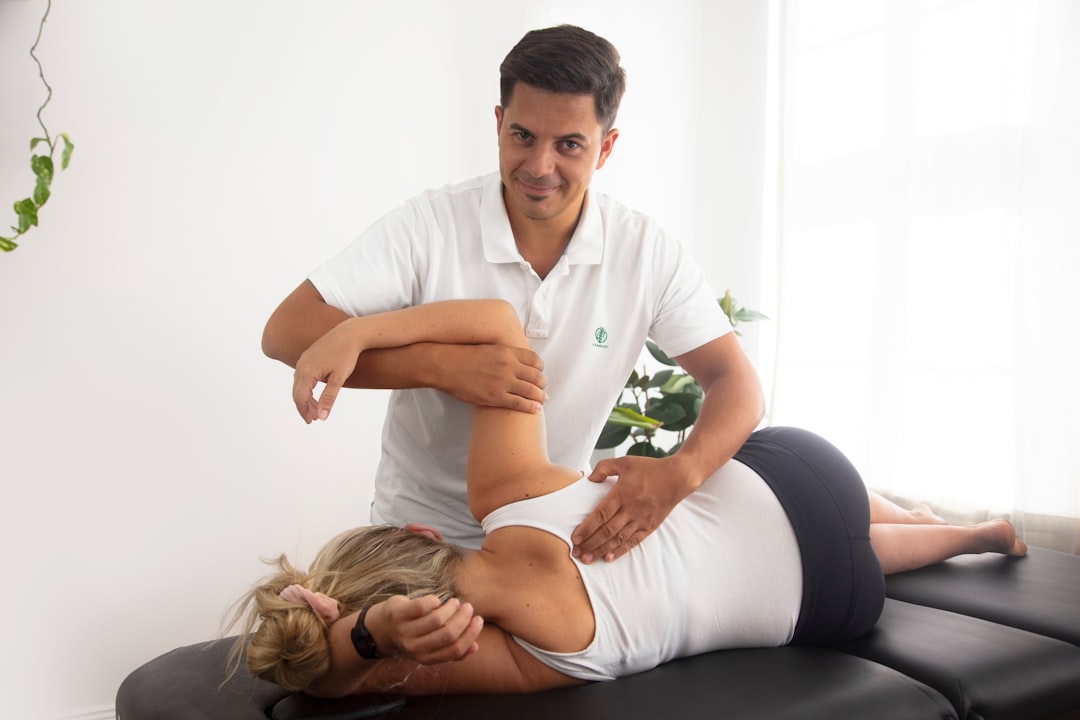
Photo: Marc Zeman / Unsplash
Risks, Side Effects, and Recovery Time
This is where the two treatments diverge most sharply. Lumbar epidural injections carry real, documented risks, even though serious complications are uncommon. These can include temporary headache, a small risk of infection at the injection site, bleeding, nerve damage in rare cases, and elevated blood sugar in diabetic patients from the steroid itself. Repeated steroid injections over time have also been linked to reduced bone density in some studies, which is part of why physicians cap the number of injections per year. Recovery is usually quick, most people rest for the remainder of the day and resume normal activity within 24 hours, but you'll need someone to drive you home if sedation was used.
Kati Vasti carries a much smaller risk profile. The most common side effects are mild: temporary warmth or redness on the skin, and rarely a mild allergic reaction to one of the herbal oils if you have a sensitivity you weren't aware of. We always ask about allergies during intake and can adjust the oil blend accordingly. There's no needle, no medication entering the bloodstream, and no sedation, so you can drive yourself home and return to normal activity immediately, though we recommend avoiding strenuous exercise the same day to let the treatment settle.
The tradeoff is intensity of relief versus safety margin. An epidural can calm a genuinely inflamed, compressed nerve faster and more forcefully than warm oil ever will. Kati Vasti works more gradually and won't touch a severely herniated disc pressing on a nerve root the way a targeted steroid injection can. If your MRI shows a significant structural issue, this is a conversation to have directly with your physician, not something to self-treat with either option alone.
Cost and Who Each Treatment Suits Best
Cost comparisons depend heavily on your insurance. A lumbar epidural injection typically runs $600 to $2,000 per session before insurance, and many insurance plans cover it when a physician documents medical necessity, which brings the out-of-pocket cost down substantially for a lot of patients. Kati Vasti is generally not covered by insurance since it's a wellness therapy rather than a medical procedure, and a single session runs in a similar range to our other Ayurvedic offerings detailed on our treatment menu, with a full course of 7 to 14 sessions representing a bigger total investment paid out of pocket.
So who suits which option? If you have a confirmed disc herniation or spinal stenosis causing nerve compression, and conservative treatment hasn't worked, an epidural injection administered by a physician is often the more appropriate next step, and Kati Vasti shouldn't be seen as a replacement for that medical care. If your pain is more from chronic muscle tension, stiffness, or general lower back fatigue without a confirmed nerve compression issue, Kati Vasti is a reasonable non-invasive option to try first. Many of our guests also use Kati Vasti as a complementary therapy between epidural rounds or after finishing a course of injections, since it doesn't interfere with steroid treatment and may help maintain the loosening effect longer. If you're weighing options for chronic back pain generally, our post on when to choose Kati Vasti over regular back massage covers additional context on when this therapy makes the most sense.
Whichever path you take, talk to your physician first if there's any chance of nerve compression or a structural spine issue. Kati Vasti is a supportive, low-risk therapy, but it isn't a substitute for a medical diagnosis.
Photo: Denise Chan / Unsplash
What a Kati Vasti Session Feels Like
If you've never had one, it helps to know what's coming. You lie face down on a treatment table, and your practitioner builds a low dam out of black gram flour dough around your lower back, usually about three to four inches wide, sealed against your skin so nothing leaks. Warm medicated oil, heated to a comfortable temperature (never hot enough to burn), is poured into the well and left to sit.
The first few minutes feel like a warm compress settling into tight muscle. Most guests describe a deep, penetrating warmth rather than surface heat, since the oil keeps working into the tissue the entire time it sits. Your practitioner periodically checks the oil temperature and tops it off as it cools, sometimes straining and reheating it partway through a longer session. You'll stay in this position for 20 to 45 minutes depending on your treatment plan, often drifting into a genuinely relaxed, near-sleep state by the end.
Afterward, the dough dam is removed and any remaining oil is gently massaged into the skin rather than wiped away completely, so the herbal compounds keep absorbing for a while after you leave. Most people feel noticeably looser immediately, with the fuller anti-inflammatory effect building over the following days as you complete more sessions in the course. We recommend wearing loose, comfortable clothing to your appointment since you won't want anything tight against your lower back on the drive home.
Frequently Asked Questions
Can I get Kati Vasti and a lumbar epidural injection in the same month?
Generally, yes. Kati Vasti doesn't introduce medication into your bloodstream, so it doesn't interact with the corticosteroid from an injection. Many guests schedule Kati Vasti sessions in the weeks after an epidural to help maintain flexibility. Just let your practitioner know about the recent injection so they can avoid any tenderness at the injection site.
Is Kati Vasti as effective as an epidural injection for a herniated disc?
Not for a confirmed disc herniation pressing on a nerve root. That's a structural problem an epidural is specifically designed to address through targeted anti-inflammatory medication. Kati Vasti is better suited to general muscular tension, chronic stiffness, or lower back fatigue without confirmed nerve compression.
How many Kati Vasti sessions does it take to notice a difference?
Most guests notice looser muscles and reduced surface tension after their first session, but the fuller anti-inflammatory benefit builds over a course of 7 to 14 daily sessions. A single session is a good way to try it, but a full course is what most practitioners recommend for a chronic issue.
Does insurance cover Kati Vasti the way it covers epidural injections?
No. Kati Vasti is classified as a wellness therapy, not a medical procedure, so insurance typically doesn't cover it. Epidural injections are frequently covered when a physician documents medical necessity. Check your specific plan, since coverage rules vary widely.
Is Kati Vasti safe if I've already had multiple epidural injections?
Yes, in most cases. Since Kati Vasti works externally through heat and oil rather than injected medication, it doesn't add to your cumulative steroid exposure. It's a common choice for people who've reached the annual limit on injections but still want ongoing support for their back. Mention your injection history at intake so we can tailor the oil blend and pressure to your comfort level.