Finding an Authentic Ayurvedic Spa in California
How to tell a genuine Ayurvedic spa from a generic wellness spa in California, what to look for, and questions to ask before booking.
Why "Ayurvedic Spa" Has Become a Loose Term in California
Search "ayurvedic spa near me" anywhere in California and you'll get dozens of results. Walk into half of them and you'll find a generic day spa that added "Ayurvedic" to one menu item, usually a warm oil massage renamed Abhyanga, sitting next to hot stone massage and a CBD facial. That's not a knock on those spas. It's just not Ayurveda, and the difference matters if you're seeking an actual dosha-based treatment plan rather than a spa-day upgrade with Sanskrit branding.
Authentic Ayurveda is a 5,000-year-old medical system from India built on assessing your individual constitution, your dominant dosha (Vata, Pitta, or Kapha), and prescribing treatments to correct specific imbalances. A real Ayurvedic session starts with questions about your digestion, sleep, stress, and skin, not just "full body or targeted?" The oils used are chosen for your constitution, not selected from a generic aromatherapy menu. The sequence of treatments, especially in multi-day Panchakarma programs, follows a clinical logic refined over centuries, not a spa package assembled for upsell purposes.
California has a genuine advantage here. The state has one of the largest concentrations of trained Ayurvedic practitioners in the U.S., partly because of proximity to major Ayurvedic education programs and a large South Asian community that has kept the tradition intact. That means the authentic options exist, you just have to know what separates them from the wellness-spa version of the same name.
Five Signs a Spa Practices Real Ayurveda
You don't need a background in Sanskrit to spot the difference. Look for these markers before you book:
- A consultation before treatment, every time. Authentic practitioners ask about your dosha, digestion, sleep patterns, and current symptoms before recommending anything. If a spa lets you pick a treatment off a menu with zero intake questions, that's a red flag.
- Named, traditional treatments used correctly. Abhyanga, Shirodhara, Podikizhi, Kati Vasti, Nasya: these aren't interchangeable spa-menu labels. Each has a specific method, oil selection, and purpose. If "Abhyanga" on the menu is just a Swedish massage with sesame oil rubbed on at the end, it's not the real treatment.
- Oils and herbs sourced and mixed with intention. Real Ayurvedic practice uses specific herb-infused oils (like Ksheerabala for Vata or Chandanadi for Pitta), not a single house blend for every client regardless of constitution.
- Practitioners trained in Ayurveda specifically. Ask directly: is the therapist certified in Ayurvedic bodywork, or trained generally in massage therapy with Ayurveda added later? Both can be skilled, but the training background changes how personalized the treatment actually is.
- Willingness to explain the "why." A good practitioner can tell you why they're recommending a specific oil or sequence for your dosha. If you ask and get a vague answer, the spa likely doesn't have a real clinical framework behind its menu.
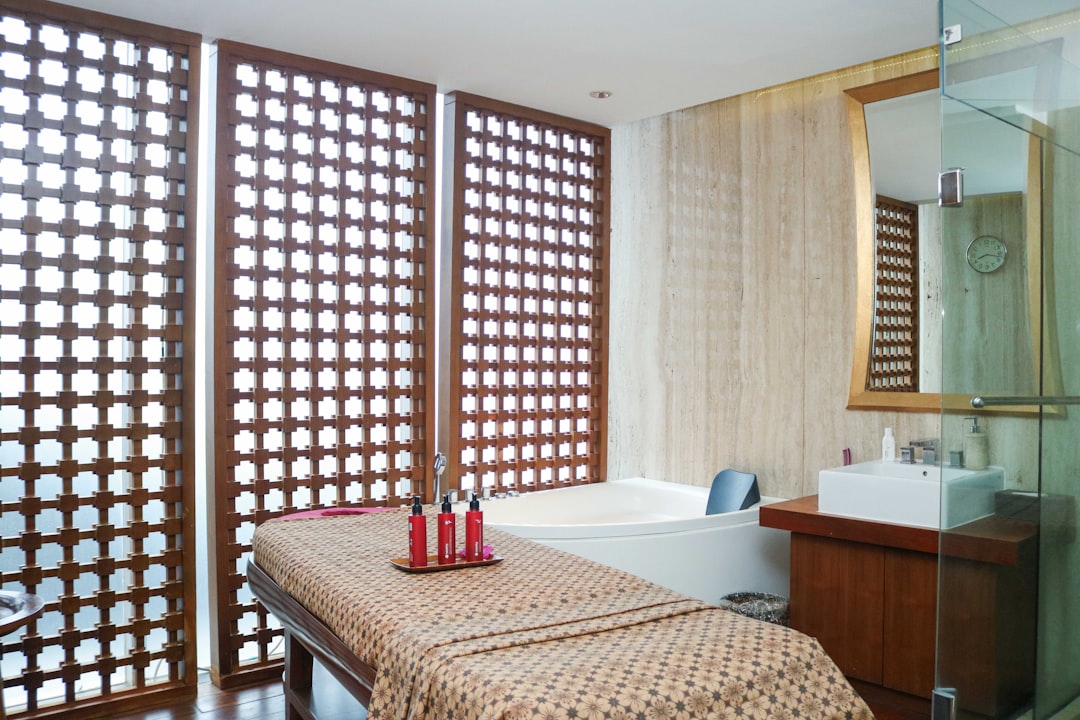
A genuine Ayurvedic treatment room is built around personalized oils and a clinical consultation, not a fixed spa-day menu.
Questions to Ask Before You Book
A five-minute phone call before booking tells you almost everything you need to know. Here's what to ask:
- "Will someone assess my dosha or constitution before treatment?" A yes here separates a clinical spa from a generic one immediately.
- "Who trained your practitioners, and in what Ayurvedic discipline specifically?" Look for answers that name an actual Ayurvedic school or certification, not just "years of massage experience."
- "What oils do you use, and how are they chosen?" A specific answer (like naming Vata-pacifying sesame-based oils versus Pitta-cooling coconut-based ones) signals real knowledge. A shrug or "we use a house blend for everyone" does not.
- "Do you offer multi-session or Panchakarma-style programs, or only single sessions?" Authentic Ayurveda treats chronic issues as a process, often over several days or weeks. A spa that only offers one-off sessions may be treating Ayurveda as a spa amenity rather than a therapeutic system.
- "Can you explain what this treatment is meant to address for me specifically?" If the answer is generic ("relaxation and stress relief" for every single treatment on the menu), that's worth noting.
None of these questions are meant to be a gotcha test. Legitimate spas answer them easily and often enjoy the conversation, since it's the kind of question their training prepared them for. If a front desk staffer seems confused or has to guess, that tells you something too, even before you've met a practitioner.
What Authentic Ayurveda Actually Costs in California
Real Ayurvedic treatments aren't necessarily cheaper than a generic spa, but the pricing structure often looks different. A single Abhyanga session in the Bay Area typically runs $120 to $180 for 60 to 90 minutes, comparable to a high-end massage. Where the difference shows up is in program pricing: authentic clinics often price Panchakarma-style multi-day detox programs as a package, since the treatments build on each other across 3 to 7 days rather than functioning as standalone sessions. A 3-day introductory Panchakarma program commonly runs $600 to $1,200 depending on which treatments are included, while a full 7-day program can run $1,800 to $3,500.
Single specialty treatments like Shirodhara (warm oil poured on the forehead) or Kati Vasti (an herbal oil pool held over the lower back) typically run $100 to $160 per session in the region. If you see "Ayurvedic Shirodhara" priced at $60 for 30 minutes at a generic spa, that's usually a sign the treatment has been shortened or diluted from the traditional protocol, which normally runs a minimum of 45 minutes for the oil-pour phase alone.
It's worth budgeting for at least a consultation plus one treatment on a first visit, rather than trying to sample everything in one sitting. Ayurvedic bodywork responds cumulatively, and even practitioners at Shanti Dhara Wellness generally recommend starting with a single core treatment matched to your dosha before building out a full program.
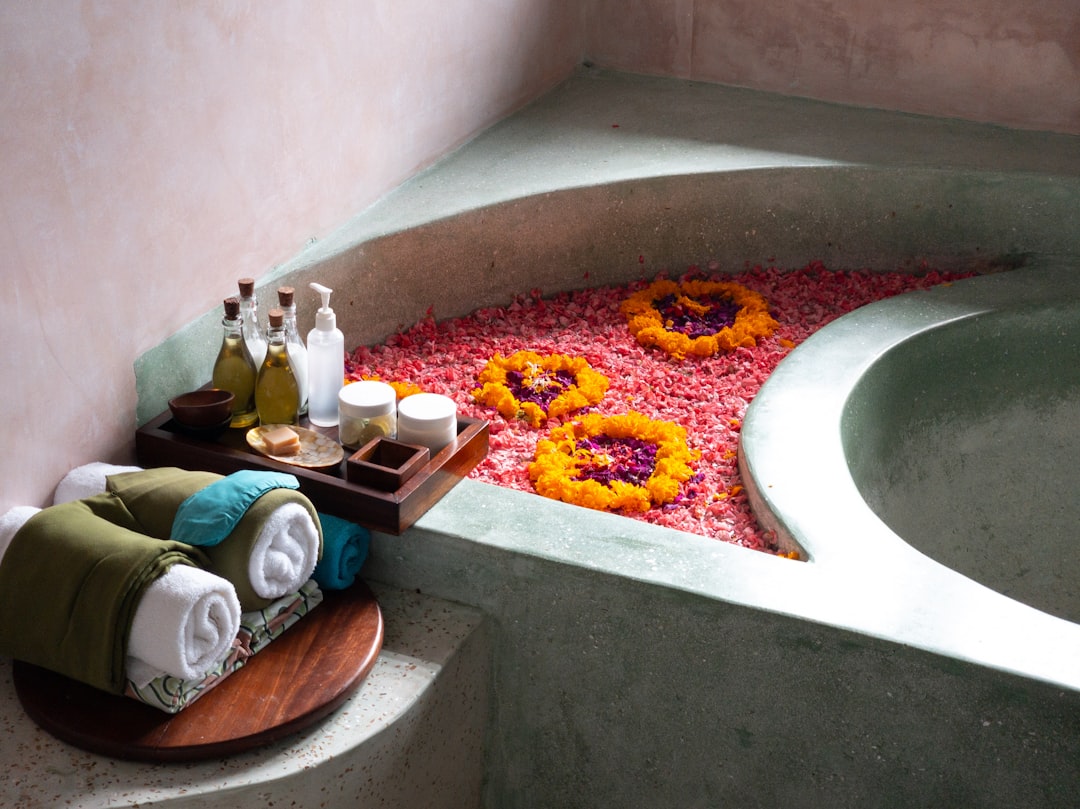
Herbal oils chosen for your specific dosha, not a single house blend, are one of the clearest signs of an authentic Ayurvedic practice.
Finding an Authentic Option Near You
Start by checking whether a spa is run by, or employs, a practitioner trained at a recognized Ayurvedic institution such as one accredited by the National Ayurvedic Medical Association (NAMA). NAMA maintains standards for practitioner training in the U.S. and is the closest thing America has to a certifying body for the field. A spa that mentions NAMA-aligned training or an Ayurvedic Practitioner (AP) credential is signaling a real clinical background rather than a weekend certificate.
Reading reviews helps too, but read for specifics rather than star ratings. A review that says "the practitioner asked about my sleep and stress before recommending anything" tells you more than five stars and "loved it." Reviews mentioning specific treatment names (Abhyanga, Shirodhara, Podikizhi) rather than "the oil massage" also suggest the spa treats these as distinct clinical protocols.
If you're in the Palo Alto or South Bay area, our guide to Ayurvedic massage options in San Jose and the South Bay covers what's realistically available within a reasonable drive, since authentic practitioners are still fairly concentrated rather than evenly spread across every neighborhood. And if you're new to Ayurveda generally and not sure where your own constitution fits, it's worth working through a dosha self-assessment before your first visit. Knowing your baseline dosha means the consultation conversation starts from an informed place instead of zero, and a good practitioner will notice the difference.
Frequently Asked Questions
What makes a spa "authentically" Ayurvedic versus just Ayurvedic-inspired?
An authentic Ayurvedic spa starts with a consultation to assess your dosha and current imbalances, uses named traditional treatments performed to their original protocol, and employs practitioners trained specifically in Ayurvedic bodywork. Ayurvedic-inspired spas borrow terminology and some oils but apply them without the underlying constitutional assessment or clinical sequencing.
Is Ayurvedic massage covered by insurance in California?
Generally not directly, since Ayurveda is classified as complementary and alternative medicine rather than conventional treatment. Some flexible spending accounts (FSA) or health savings accounts (HSA) will reimburse Ayurvedic treatments if a physician provides a letter of medical necessity, so it's worth asking your provider before assuming it's entirely out of pocket.
How do I know if a practitioner is properly trained?
Ask where they trained and for how long. Legitimate Ayurvedic practitioner programs run anywhere from several months to multiple years, often through NAMA-recognized schools. Be cautious of practitioners whose only credential is a short weekend workshop, since that's rarely enough to safely customize treatments to individual doshas.
Can I get a real Panchakarma detox program done in California, or do I need to travel to India?
Several California clinics, including practices in the Bay Area, offer legitimate multi-day Panchakarma programs with proper pre- and post-treatment protocols. You don't need to travel to India, though the program length and intensity here is often adapted to fit a Western schedule (3 to 7 days rather than the traditional 21-day version).
What should I bring to my first authentic Ayurvedic spa visit?
Wear loose, comfortable clothing since oil treatments can stain fabric. Come with a general sense of your recent sleep, digestion, and stress patterns, since the intake consultation will ask about these. Avoid a heavy meal right before Abhyanga or Shirodhara, and plan for a calm rest of your day rather than scheduling it before a demanding meeting.
About the author
Ruby
Owner, Shanti Dhara Wellness
Owner of Shanti Dhara Wellness, a MedSpa in Palo Alto, CA offering traditional Ayurvedic treatments including Abhyanga body treatments, Shirodhara, and herbal scalp therapies.