A meditative tea ceremony is simply tea prepared and drunk slowly, with your full attention on each step: heating the water, steeping the leaves, holding the warm cup, tasting each sip. You can do one at home in fifteen to thirty minutes with a kettle, a cup and a tea you like. No training, special teaware or cultural credentials required.
This guide covers where the practice comes from, what the research on mindfulness and on common herbal teas can and can't tell you, a step-by-step home ritual, and which herbs deserve a second look if you take medication. One note up front: Shanti Dhara Wellness in Palo Alto doesn't run a standalone tea ceremony. Tea (Veda-Tea) is served as part of two of its sessions, described near the end.
Where the Tea Ceremony Comes From
The best-known formal tea ritual is Japanese chanoyu, which translates literally as "hot water for tea." The Asian Art Museum describes it as the tradition of preparing and serving powdered green tea in a highly stylized manner, bringing together architecture, garden design, the fine arts and etiquette. Buddhist priests brought powdered tea from China to Japan in the twelfth century, and the Zen monk Eisai is credited with introducing the practice. It later became a secular art, and the tea master Sen Rikyū (1521–1591) set the form recognized today.
Rikyū's four guiding ideals still shape how people think about mindful tea:
- Harmony (wa) between guests, host, nature and setting.
- Respect (kei), meaning sincerity toward each person regardless of rank.
- Purity (sei), a kind of inner cleansing.
- Tranquility (jaku), the calm the first three make possible.
A related phrase, ichi-go ichi-e ("one time, one meeting"), carries the idea that every gathering is unrepeatable and deserves full sincerity. In a formal gathering the host even turns the bowl so its most beautiful side faces the guest. That small gesture is the whole point of the ceremony in miniature: attention given on purpose.
India has its own everyday tea ritual. A review of tulsi (holy basil) in the Journal of Ayurveda and Integrative Medicine notes that many Ayurvedic practitioners recommend drinking tulsi tea regularly as a lifestyle practice, and compares the habit to yoga for its calming, clarifying reputation. It's less choreographed than chanoyu, but the principle is the same: the way you prepare and drink the cup matters.
What the Research Can and Can't Tell You
We're not aware of solid clinical trials on tea ceremonies themselves, so be wary of articles quoting precise percentages for "ritual drinking." The better-studied idea underneath is mindfulness. The National Center for Complementary and Integrative Health (NCCIH) defines mindfulness as keeping attention or awareness on the present moment without judging it. A slow cup of tea is one practical way to do that.
NCCIH summarizes some encouraging findings. In one analysis, mindfulness-based approaches worked about as well as established treatments such as cognitive behavioral therapy for anxiety and depression. A 2019 analysis found that mindfulness meditation improved sleep quality more than education-based approaches. These studies looked at structured programs, not a cup of tea, so treat the ceremony as a doorway into mindfulness rather than a proven therapy on its own.
It's generally low-risk, though not risk-free: a 2020 review cited by NCCIH found that about 8 percent of participants had a negative effect from meditation, most often anxiety or depression. NCCIH is also clear that meditation shouldn't replace conventional care.
As for the tea itself, the evidence is thinner than wellness blogs suggest. The tulsi review cites a six-week randomized, double-blind, placebo-controlled trial in which tulsi improved general stress scores, but much of the other research on the herb comes from animal studies. For the herbs below, NCCIH describes human evidence as preliminary, mixed or unclear.
How to Hold a Meditative Tea Ceremony at Home
This sequence borrows the attention of chanoyu without its choreography. Give it fifteen minutes the first time; stretch it to thirty once it feels natural.
- Clear a small space. A cleared table or a cushion on the floor. Put your phone in another room or face down on silent.
- Set a one-line intention. Something plain, like "the next fifteen minutes are for this cup."
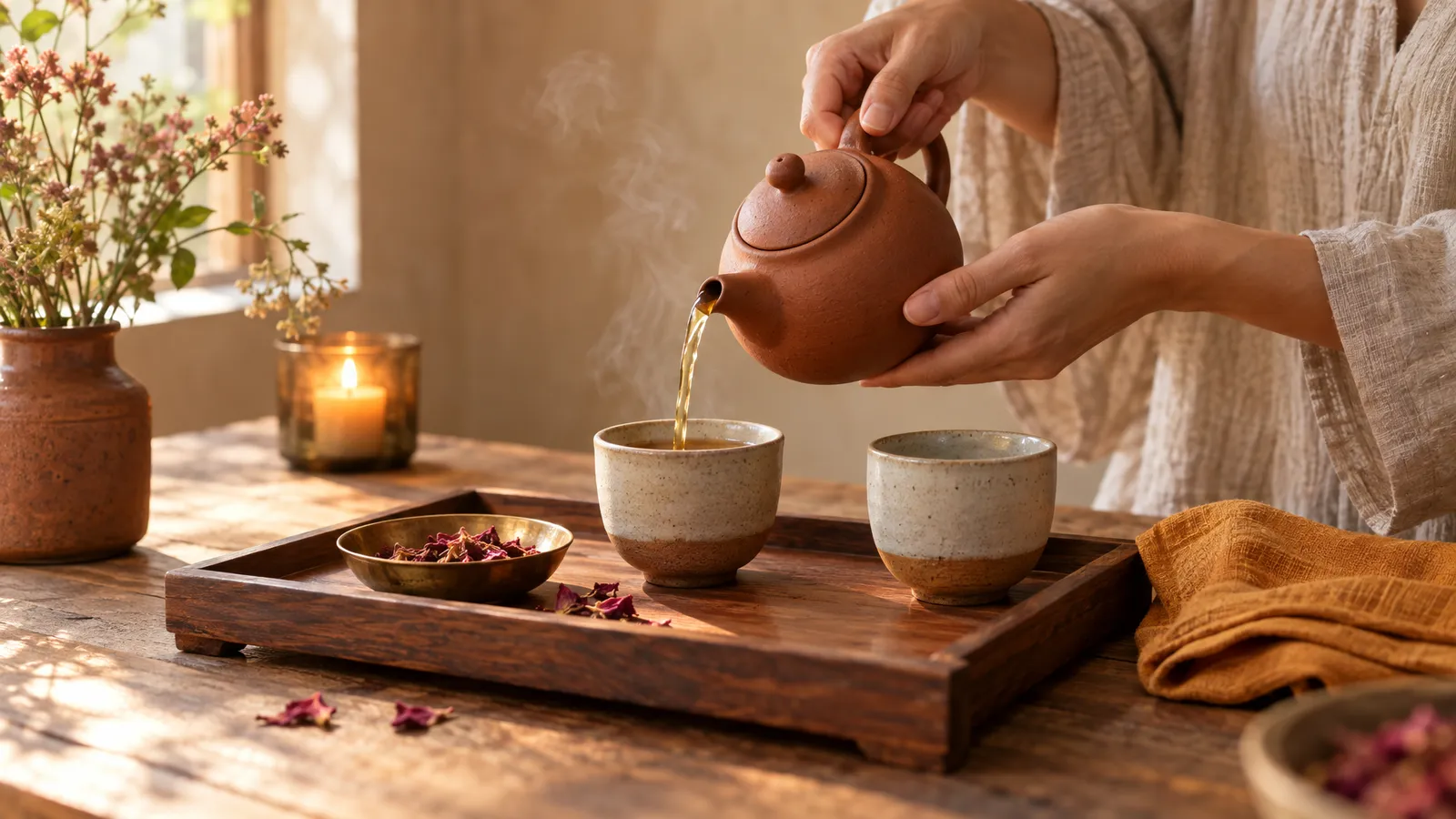
- Heat the water and watch it. Use a kettle rather than a microwave, and notice the sound change as it comes to the boil. Follow the steeping temperature and time on your tea's packaging.
- Look before you drink. Hold the cup in both hands. Notice the color and the steam, and breathe in the aroma a few times.
- Sip slowly, and put the cup down between sips. When your mind drifts to your inbox, which it will, notice that and come back to the taste and warmth. That return is the practice.
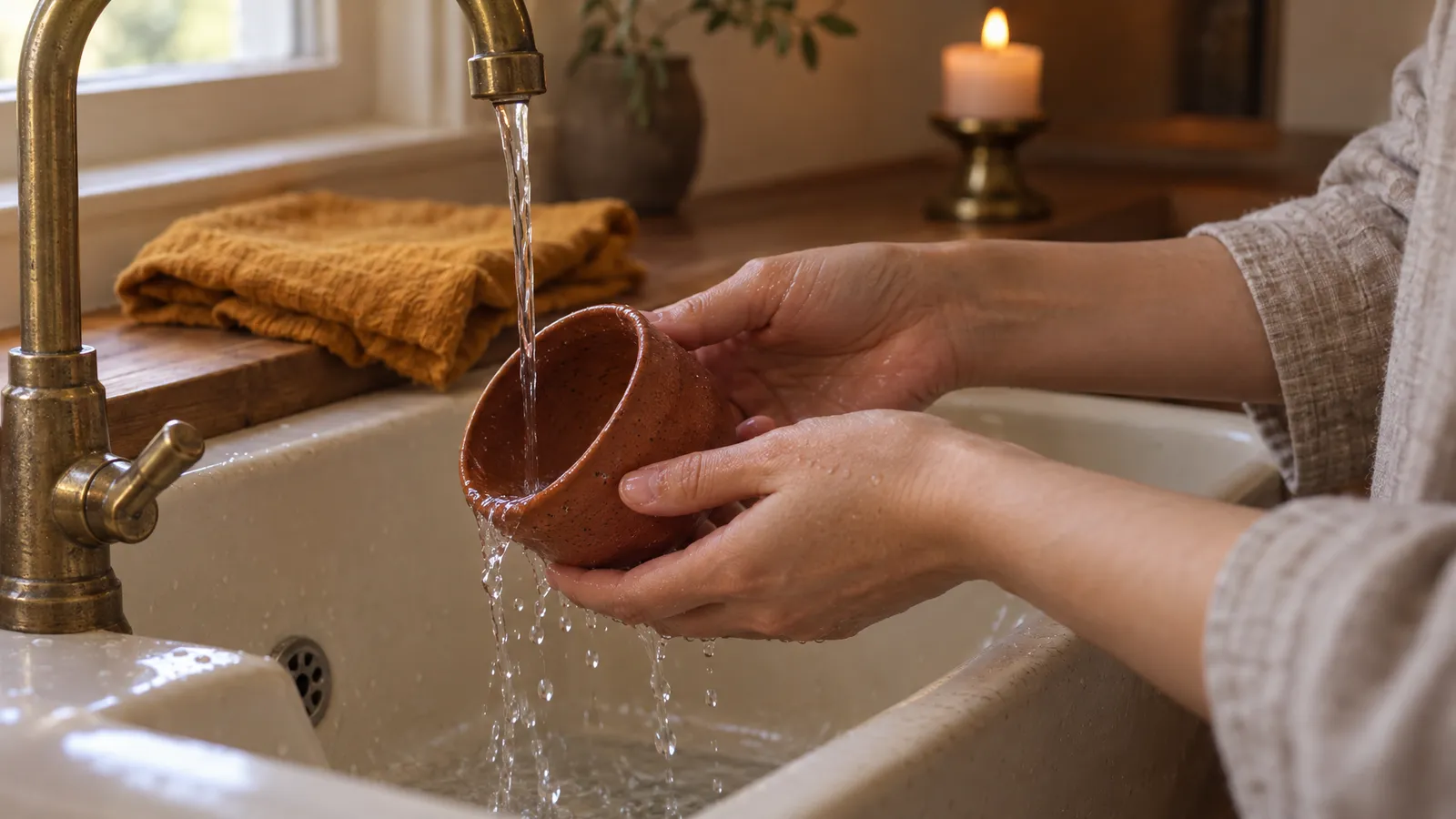
- Close deliberately. Sit for a minute with the empty cup, then rinse it with the same care you used to make the tea.
A solo ceremony is a perfectly good one. If you invite friends, agree beforehand to keep the first part quiet, and serve them before yourself, the way a host would in chanoyu. If plain tea tastes flat, start with a milder or naturally sweet blend rather than stirring in sugar, which pulls your attention away from the flavor you're trying to notice.
Choosing a Tea, and When to Check With Your Doctor
Any tea works for a mindful ritual. Herbal blends are popular because they're usually caffeine-free, but "herbal" doesn't mean "no interactions." Here's what NCCIH says about the herbs that turn up most often in calming blends:
- Chamomile. Preliminary studies suggest a chamomile supplement might help generalized anxiety, while evidence for sleep is limited. It appears safe in typical tea amounts, but people sensitive to ragweed, chrysanthemums, marigolds or daisies are more likely to react. Interactions with warfarin and some liver-metabolized drugs have been reported.
- Lavender. Oral lavender oil might help anxiety, but whether lavender aromatherapy helps anxiety, stress or sleep is unclear. It could interact with sedatives.
- Green tea. As a beverage it's generally safe for adults, but it contains caffeine. Large amounts can reduce the effect of nadolol, a beta-blocker. The liver-injury reports NCCIH mentions involve concentrated extracts, mostly in pills, not brewed tea.
- Licorice root. Common in sweet, "grounding" blends. It contains glycyrrhizin, which has been linked to serious problems in people with high blood pressure or heart or kidney conditions and in people who eat a lot of salt. Large amounts during pregnancy are unsafe.
- Ashwagandha. Some preparations may help stress and insomnia, but studies are small, and evidence on anxiety is unclear. There have been rare cases of liver injury. NCCIH says to avoid it during pregnancy and breastfeeding, and it isn't recommended before surgery or for people with thyroid or autoimmune conditions.
- Tulsi (holy basil). Traditionally drunk daily in India. Human evidence is limited to a small number of trials, with much of the research done in animals.
If you take prescription medication, are pregnant or breastfeeding, or have a chronic condition, ask your doctor or pharmacist about a blend's ingredients before it becomes a daily habit.
Common Mistakes That Make It "Not Work"
- Multitasking. Tea while scrolling is just tea. If fifteen minutes feels impossible, do five and protect all five.
- Over-buying gear. A kettle, a cup and a strainer are enough. The attention is the ceremony, not the teaware.
- Judging your wandering mind. Noticing that you drifted and coming back is the exercise, not a failure of it.
- Treating it as a cure. It's a calming habit. If stress, anxiety or sleep problems are affecting your life, see a professional too.
Where Tea Fits at Shanti Dhara Wellness
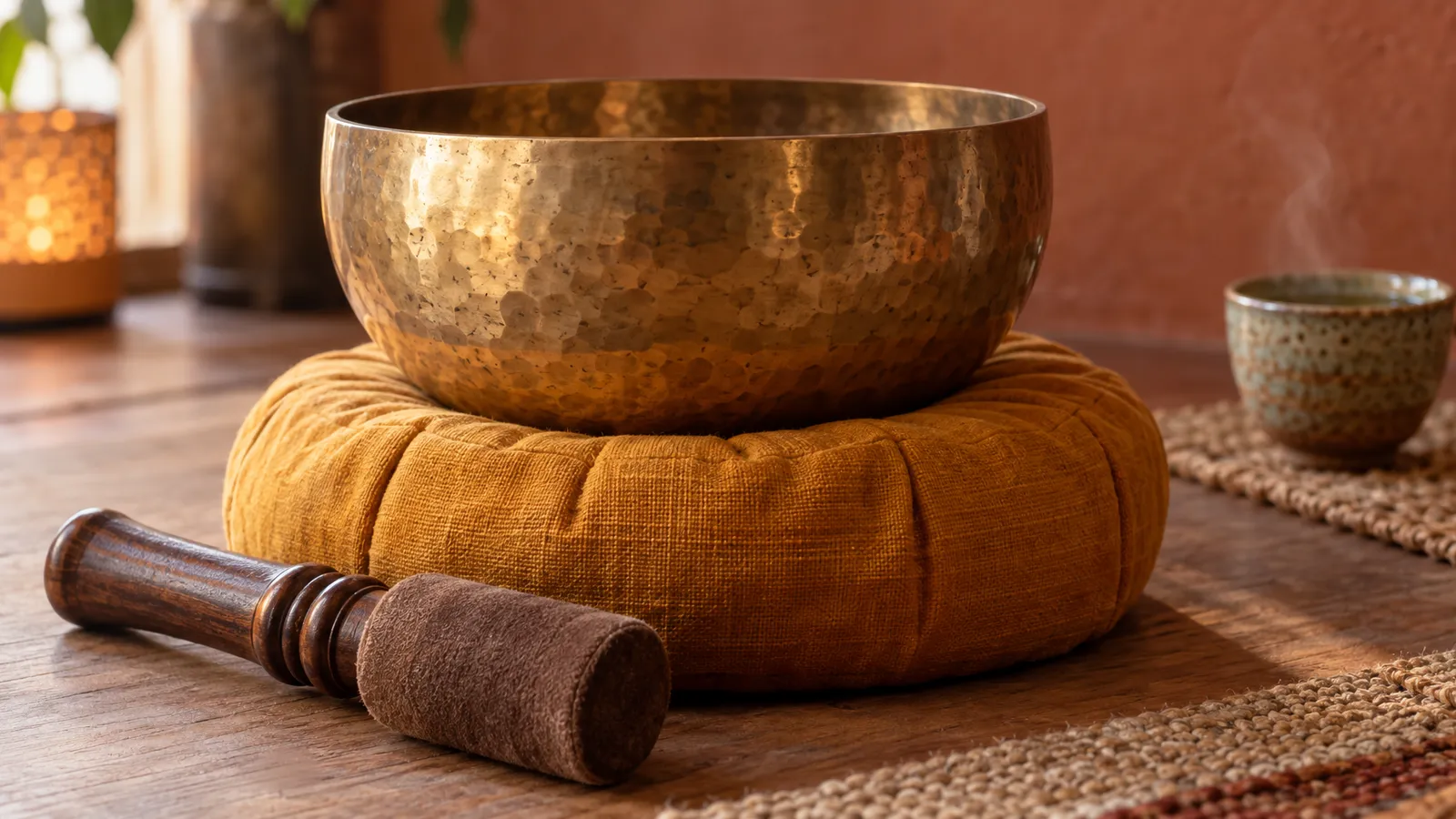
Shanti Dhara doesn't offer a standalone tea ceremony. Veda-Tea is included in two of its small sessions, both of which combine meditation, singing bowl therapy and tea:
- Relax Therapy: 60 minutes at 12:30 PM, up to 2 guests, $158.
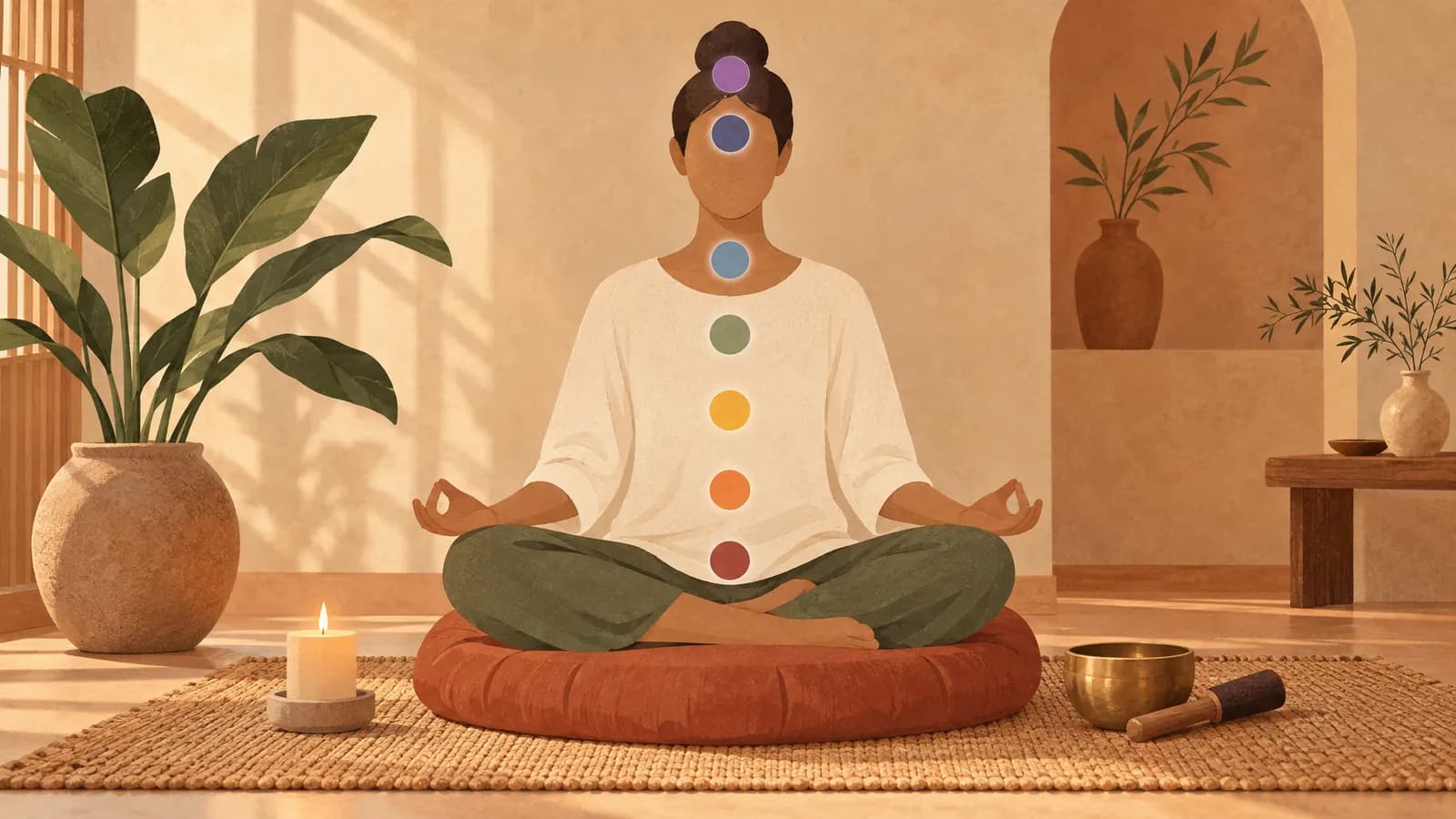
- Chakra Therapy: 75 minutes at 2:00 PM, one guest only, $198.
If you'd like the unhurried feeling of a tea ritual inside a guided session, one of these is the closest match on the menu. For how the singing bowl part compares with a group sound bath, see Group Sound Baths vs One-on-One Bowl Therapy. The studio is at 2875 Middlefield Rd, Suite 8 (2nd floor), Palo Alto. It's open Tuesday through Sunday and closed Mondays, and you can call (650) 283-9121.
FAQ: Meditative Tea Ceremonies
Is a meditative tea ceremony the same as a Japanese tea ceremony?
No. Japanese chanoyu is a formal tradition built around powdered green tea, prescribed movements and centuries of etiquette shaped by Sen Rikyū. A meditative tea ritual at home borrows its spirit (attention, respect, calm) without the choreography. It can use any tea you like.
Do I need meditation experience?
No. A tea ritual gives your attention something concrete to rest on: warmth, aroma and taste. Many people find that easier than sitting with their breath. When your mind wanders, bring it back to the cup.
How long should a home tea ceremony last?
Fifteen to thirty minutes is a comfortable range. A shorter ritual you actually repeat is more useful than a long one you do once, so start with whatever you can protect from interruptions.
Which tea is best for a calming ritual?
Any tea you enjoy. Caffeine-free herbal blends suit evenings. Check the ingredient list: chamomile, licorice, ashwagandha, lavender and green tea each carry cautions from NCCIH for certain medications, pregnancy or health conditions.
Does Shanti Dhara Wellness host a tea ceremony?
Not as a standalone service. Veda-Tea is part of Relax Therapy (60 minutes, $158, up to 2 guests) and Chakra Therapy (75 minutes, $198, one guest), both of which also include meditation and singing bowl therapy. See the menu to book.