Abhyanga Massage for Better Sleep: Does It Actually Work?
Can an Ayurvedic oil massage improve sleep quality? Here's what the research shows, plus what happens in a real session.
The Sleep Problem Nobody's Solving
About 70 million Americans have a chronic sleep disorder, according to the American Sleep Association. That's not a small number. And while melatonin gummies and weighted blankets have their place, a lot of people are still waking up at 3 a.m. staring at the ceiling.
If you've already tried the standard fixes (screen time limits, cold bedrooms, magnesium supplements) and you're still not sleeping well, you might be looking for something different. That's where Abhyanga comes in. It's an Ayurvedic oil massage that's been used for thousands of years, and one of its most consistent reported benefits is better sleep. Not "pass out from exhaustion" sleep. Actual, restorative, deep-cycle sleep.
At Shanti Dhara Wellness in Palo Alto, Abhyanga Body Therapy is one of the most requested treatments, and a large portion of those clients specifically mention poor sleep as their reason for booking. This post breaks down what Abhyanga is, what the available research says about its effect on sleep, and what a real session looks like so you can decide if it's worth trying.
What Is Abhyanga, Exactly?
Abhyanga is a full-body massage using warm, medicated oils. The oil is chosen based on your Ayurvedic constitutional type (dosha), which is determined during a consultation before your session. The massage itself involves long, rhythmic strokes that follow the direction of circulation, designed to move lymphatic fluid, release muscle tension, and calm the nervous system.
Unlike a typical deep-tissue massage, Abhyanga isn't about digging into knots or working out kinks. The pressure is moderate and soothing, and the focus is on coating the skin in oil and creating a steady, meditative rhythm. Practitioners describe the experience as "nourishing the body's tissues," and many clients fall asleep on the table.
Sessions typically last 60-90 minutes and are followed by a brief rest period and sometimes a warm herbal bath or steam. At Shanti Dhara Wellness, Abhyanga Body Therapy is offered in durations ranging from 30 minutes to 2 hours, with the 60-minute session being the most popular starting point for first-time clients.
Abhyanga has been part of Ayurvedic self-care routines for over 3,000 years. In traditional Indian households, it's common for family members to give each other daily oil massages before bathing. The practice is considered foundational to maintaining balance, especially for people with Vata constitutions (those who tend toward anxiety, dryness, and restlessness).
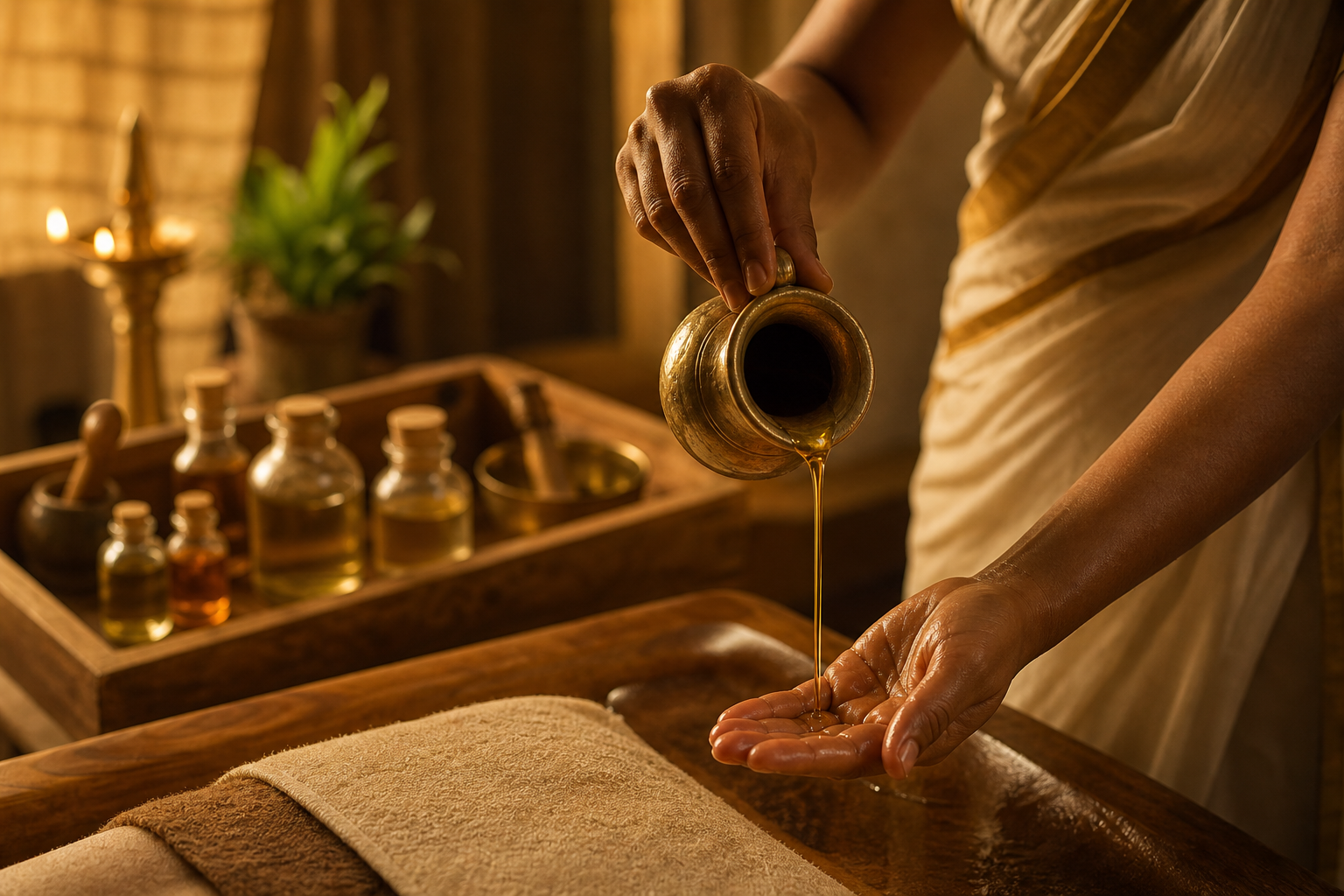
Warm medicated oils are central to the Abhyanga experience, selected based on your dosha and current health needs.
What the Research Says About Abhyanga and Sleep
Let's be upfront: the research on Abhyanga specifically (not just "massage in general") is still growing. There aren't massive randomized controlled trials with thousands of participants. But the studies that do exist are encouraging, and they align with broader massage research.
A 2011 study published in the Journal of Ayurveda and Integrative Medicine found that regular Abhyanga practice (self-massage with warm oil) significantly reduced subjective stress markers and improved sleep quality among healthy adults over a 6-week period. Participants reported falling asleep faster and waking up feeling more rested.
A larger body of research on general massage therapy supports these findings. A 2015 meta-analysis in the journal Sleep Medicine Reviews examined 13 randomized controlled trials and concluded that massage therapy significantly improved sleep quality, with the strongest effects seen in people with insomnia and chronic pain. The mechanism appears to involve downregulation of cortisol (the stress hormone) and upregulation of serotonin and dopamine, which are precursors to melatonin.
What makes Abhyanga potentially more effective than a standard Swedish massage for sleep is the oil itself. The transdermal absorption of warm herbal oil creates a sustained calming effect that outlasts the massage. Sesame oil, the most commonly used base in Abhyanga, contains compounds like sesamol and sesaminol that have documented anti-inflammatory and antioxidant properties. When you combine that with the parasympathetic nervous system activation triggered by slow, rhythmic touch, you get a sleep-promoting combination that's hard to replicate with a pill. For those dealing with anxiety-driven insomnia, our evidence-based guide to Ayurvedic massage for anxiety explores the nervous system mechanisms in greater depth.
The bottom line: we don't yet have enough Abhyanga-specific clinical trials to make bold claims, but the existing evidence (both Ayurvedic and general massage research) strongly suggests it can help people who struggle with sleep.
Why Abhyanga Targets the Root Causes of Poor Sleep
Most sleep problems aren't really sleep problems. They're nervous system problems. Your body is stuck in sympathetic mode (fight-or-flight) when it should be shifting into parasympathetic mode (rest-and-digest). Abhyanga directly addresses this by activating the parasympathetic branch through several channels at once:
- Sustained, rhythmic pressure. The long strokes used in Abhyanga stimulate mechanoreceptors in the skin that signal safety to the brain. This is the same principle behind weighted blankets, but delivered with warm oil and human touch, which amplifies the effect.
- Warm oil on the scalp and feet. In Ayurvedic theory, the head and feet are key marma points (energy junctions). Research aside, nearly every client reports an immediate calming response when warm oil is applied to these areas. The soles of the feet have a high density of nerve endings that respond to heat and gentle pressure.
- Cortisol reduction. Studies on massage therapy consistently show a 20-30% drop in cortisol levels after a single session. Elevated nighttime cortisol is one of the most common physiological causes of 3 a.m. wake-ups.
- Improved circulation. The directional strokes of Abhyanga push venous blood and lymphatic fluid toward the heart. Better circulation means more efficient delivery of oxygen and nutrients to tissues, which reduces the restless, achey feeling that keeps some people awake.
In Ayurvedic terms, insomnia is primarily a Vata disorder. Vata represents movement and air, and when it's elevated, the mind races, the body feels restless, and sleep becomes fragmented. Abhyanga's warm, heavy, grounding qualities are considered the direct antidote to excess Vata. That's not just theory. It describes the lived experience of most clients: after Abhyanga, they feel heavier (in a good way), slower, and ready for rest.
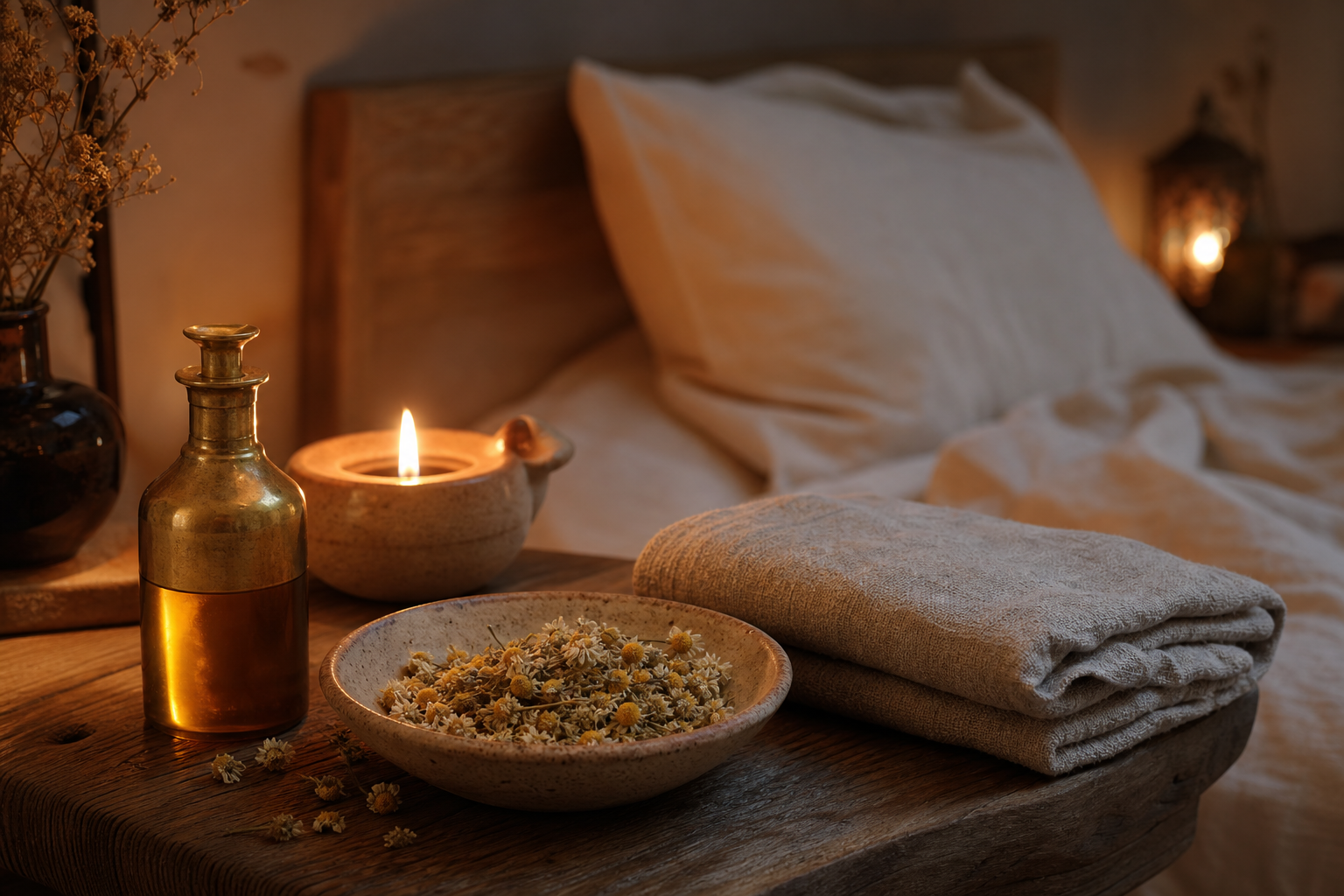
Ayurvedic oils and calming herbs work together to signal your nervous system that it's time to rest.
What an Abhyanga Session at Shanti Dhara Actually Looks Like
If you've never had Abhyanga before, here's a practical walkthrough of what to expect when you book at Shanti Dhara Wellness.
Before the session: You'll have a brief consultation where your practitioner asks about your sleep patterns, stress levels, any pain or discomfort, and your general health history. If you've already had an Ayurvedic consultation at the center, they'll reference your previous dosha assessment. If not, they'll do a quick intake to determine whether you're primarily Vata, Pitta, or Kapha, and which oil blend will work best for you.
During the session: You'll lie on a warm treatment table (often heated) and the practitioner will apply generous amounts of warm herbal oil to your entire body. The strokes are long, smooth, and rhythmic — there's no deep digging or painful pressure. The oil is reapplied frequently, so you'll feel continuously coated. Many clients describe the sensation as being "wrapped in warmth."
Special attention is given to the scalp, feet, and joints, which are considered marma points in Ayurveda. The scalp massage alone can trigger a parasympathetic response that makes you drowsy within minutes. The practitioner also works the abdomen in circular motions, following the path of the colon, which aids digestion (another factor in sleep quality).
After the session: You'll rest on the table for 5-10 minutes, allowing the oil to continue absorbing. The practitioner may offer a warm towel or a brief steam to help the oil penetrate deeper. You'll then be gently brought back to awareness and given time to reorient before getting dressed.
Expect to leave with oil still on your skin. That's intentional. The longer the oil stays on, the more therapeutic benefit you get. Many practitioners recommend leaving it on for at least 2-4 hours, or even overnight if you're willing to sleep on a towel. When you do shower, use warm water and a gentle soap — you'll still feel slightly oily after one rinse, and that's fine. For those planning a full wellness visit, our spa day planning guide explains how to structure a multi-treatment session including Abhyanga.
How Often Should You Get Abhyanga for Sleep?
The traditional Ayurvedic recommendation is daily self-massage with oil, followed by a professional Abhyanga session weekly or monthly. In practice, most clients at Shanti Dhara Wellness book sessions every 2-4 weeks, with the frequency depending on severity of sleep issues and budget.
Here's a practical guideline:
- For acute insomnia (can't sleep more than 4-5 hours per night): Book weekly sessions for 4-6 weeks. This gives your nervous system enough repeated input to shift its baseline state.
- For chronic but manageable sleep issues (waking up frequently, not feeling rested): Book every 2 weeks for a month, then taper to monthly maintenance.
- For prevention (you sleep okay but want to optimize): Monthly or quarterly sessions are enough to maintain balance.
Between professional sessions, you can practice self-Abhyanga at home. It's simpler than a full treatment — just warm some sesame oil (microwave for 10-15 seconds), apply it to your body using long strokes, and let it sit for 20-30 minutes before showering. Even 10 minutes of self-massage before bed can make a difference.
Combining Abhyanga with Other Sleep-Supporting Practices
Abhyanga works best as part of a broader sleep hygiene routine, not as a standalone fix. Here's how to layer it with other practices:
- Abhyanga + consistent sleep schedule: The massage won't fix the damage from wildly inconsistent bedtimes. Pair it with a commitment to going to bed and waking up at roughly the same time every day.
- Abhyanga + warm milk or herbal tea: In Ayurveda, warm milk with a pinch of nutmeg or turmeric is a classic sleep aid. Shanti Dhara offers a Veda-Tea ceremony that pairs beautifully with Abhyanga — the tea ritual provides a mindful transition from treatment to sleep preparation.
- Abhyanga + reduced stimulation before bed: The massage gets you into parasympathetic mode, but scrolling Instagram for an hour afterward pulls you right back into sympathetic activation. Protect the calm state by reading, journaling, or doing gentle stretches instead of screen time.
- Abhyanga + magnesium supplementation: Magnesium glycinate (300-400mg before bed) and Abhyanga both support nervous system downregulation through different pathways. Many clients find the combination more effective than either alone.
Who Shouldn't Try Abhyanga for Sleep
Abhyanga is safe for most people, but there are a few situations where you should skip it or consult a healthcare provider first:
- Active fever or infection: Massage can spread infection through the lymphatic system. Wait until you're fully recovered.
- Pregnancy (first trimester): Some Ayurvedic practitioners avoid full Abhyanga during the first trimester. After that, it's generally safe and often beneficial, but let your practitioner know so they can adjust pressure and positioning.
- Recent surgery or injury: Wait until you're cleared by your doctor before booking bodywork.
- Severe eczema or open wounds: The oil can irritate broken skin. Wait until your skin has healed.
If you have a sleep disorder diagnosed by a sleep specialist (like sleep apnea or restless leg syndrome), Abhyanga can complement your treatment but shouldn't replace it. Always follow your doctor's recommendations first.
Booking Abhyanga for Better Sleep at Shanti Dhara Wellness
Shanti Dhara Wellness is located at 2875 Middlefield Road, Suite 100, in Palo Alto. Hours are Monday-Tuesday 8:30 AM - 2:30 PM, Wednesday-Sunday 10:30 AM - 7 PM.
Abhyanga Body Therapy is available in multiple formats:
- 30-minute session: $85 — a focused treatment for scalp, neck, and feet (the key marma points for sleep)
- 60-minute session: $150 — full-body massage, ideal for first-timers
- 90-minute session: $220 — extended treatment with deeper attention to problem areas
Multi-session packages are available at a discount for clients committing to a series. Book online through the Shanti Dhara website or call the studio directly. When you book, mention that sleep is your primary concern so the practitioner can tailor the session accordingly.
Frequently Asked Questions
Will I fall asleep during the massage?
Many people do, especially during the scalp and foot massage portions. That's completely normal and actually encouraged. The parasympathetic activation happens whether you're awake or asleep.
Can I shower right after the session?
You can, but it's better to wait at least 2-4 hours so the oil can fully absorb. If you must shower sooner, use warm water and mild soap. Expect to still feel slightly oily.
How long does the sleep benefit last?
Most clients report better sleep the night of the massage and for 2-5 nights afterward. The effects are cumulative — regular sessions (weekly or biweekly) produce longer-lasting baseline shifts than one-off treatments.
Can I do Abhyanga if I already take sleep medication?
Yes. Abhyanga works through a different mechanism than pharmaceutical sleep aids, so there's no conflict. Many clients use both and find they can eventually reduce their medication dosage (always under a doctor's supervision).
What oil is best for sleep?
Sesame oil is the traditional Ayurvedic choice for Vata imbalances, which include insomnia. It's warming, grounding, and rich in compounds that support nervous system health. Your practitioner will select the best oil based on your dosha during intake.
About the author
Ruby
Owner, Shanti Dhara Wellness
Owner of Shanti Dhara Wellness, a MedSpa in Palo Alto, CA offering traditional Ayurvedic treatments including Abhyanga body treatments, Shirodhara, and herbal scalp therapies.