Nasya Nasal Therapy for Allergies: Ayurvedic Sinus Treatment
How Nasya, the Ayurvedic nasal oil therapy, clears sinus congestion and eases seasonal allergies naturally.
What Nasya Is and Why Allergy Sufferers Turn to It
If you've spent another spring reaching for antihistamines every morning, you've probably wondered whether there's a gentler way to keep your sinuses clear. Nasya is one of Ayurveda's oldest answers to that question. It's a nasal therapy where warm medicated oil, ghee, or herbal decoction is administered through the nostrils to clear congestion, calm inflamed sinus passages, and support the tissues that filter everything you breathe in.
Ayurvedic texts classify Nasya as one of the five main detoxification therapies, or Panchakarma, specifically the one aimed at the head and neck region. The idea is simple: the nose is considered a direct gateway to the brain and sinus cavities, so treating it directly with oil reaches tissue that oral medication or a saline rinse alone doesn't fully address. For allergy sufferers, that means less reliance on daily antihistamines and more focus on strengthening the nasal lining itself so it reacts less aggressively to pollen, dust, and other triggers in the first place.
What makes Nasya particularly relevant right now is how many people are looking for allergy relief that doesn't come with the grogginess or dependency that oral antihistamines can bring. A few drops of warm oil, administered correctly, can loosen mucus, reduce dryness in the nasal passages, and calm irritation without any systemic drug effect. At Shanti Dhara Wellness, Nasya is one of the treatments we recommend most often during allergy season, especially for guests who've already tried the usual over-the-counter options without lasting relief.
How a Nasya Session Works, Step by Step
A Nasya session starts with a brief consultation about your specific symptoms: are you dealing with dry, blocked passages, thick mucus, sinus pressure, or a combination? That determines which oil or herbal preparation your practitioner uses. Common choices include Anu Taila, a classical herbal oil formulated specifically for nasal application, or plain warmed sesame oil for milder cases.
Before the oil goes in, your practitioner typically applies gentle warmth or a light facial and neck massage to loosen congestion and open the passages. You'll then lie back with your head tilted slightly, and a few drops of warm oil are placed into each nostril. You're guided to inhale gently so the oil moves further into the nasal passage. Most sessions use somewhere between 2 and 6 drops per nostril depending on the formulation and your individual tolerance.
After the oil is administered, you'll rest for several minutes while it works, sometimes with a warm compress over the sinuses. It's common to feel an urge to clear your throat or blow your nose shortly after, since the oil loosens mucus that your body then naturally expels. A full session, including consultation and rest time, usually runs 30 to 45 minutes. Most people leave with noticeably clearer breathing right away, though the fuller benefit for allergy symptoms builds over a short course of repeated sessions during peak allergy weeks rather than a single visit.
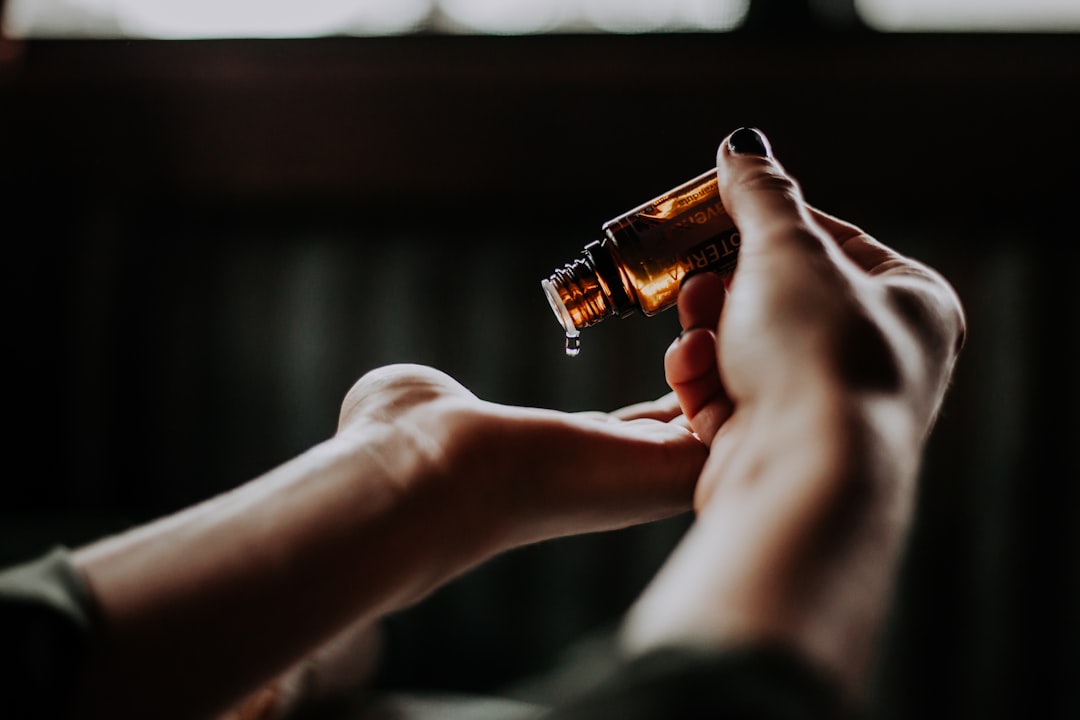
Photo: Christin Hume / Unsplash
Which Allergy Symptoms Nasya Actually Helps With
Not every allergy symptom responds the same way to Nasya, so it helps to know what it targets best. The therapy works particularly well for:
- Nasal congestion and stuffiness from pollen, dust, or pet dander, since the oil loosens thickened mucus and helps it drain naturally.
- Dry, irritated nasal passages caused by dry air, frequent nose blowing, or overuse of decongestant sprays, since the oil restores moisture to inflamed tissue.
- Sinus pressure and headaches linked to blocked passages, which often eases once congestion clears and pressure equalizes.
- Post-nasal drip that leaves your throat scratchy, since the therapy helps thin and redirect mucus rather than letting it pool.
- Recurring sinus stuffiness tied to seasonal changes, where repeated sessions before and during peak pollen weeks build more resilience than a single treatment.
Where Nasya is less useful is in acute bacterial sinus infections requiring antibiotics, or in cases of structural nasal blockages like a severely deviated septum or nasal polyps, both of which need medical evaluation rather than an oil-based therapy. If you're dealing with a fever, colored discharge, or symptoms lasting more than 10 days, see a physician first. Nasya is best thought of as a preventive and maintenance therapy for seasonal and environmental allergy triggers, not a treatment for infection.
Many guests pair Nasya with our Abhyanga and Shirodhara sessions during allergy season, since the combination of nasal clearing and full-body relaxation seems to compound the sense of relief, particularly for people whose allergies also disrupt sleep.
What the Research and Practitioner Experience Say
Ayurvedic nasal therapies have a long documented history, but it's fair to ask what modern evidence says about oil-based nasal treatments for allergies. Studies on nasal irrigation and oil application generally show that keeping nasal tissue moist and clear reduces the frequency and severity of allergic rhinitis symptoms compared to leaving passages dry and irritated. Sesame oil specifically has documented anti-inflammatory properties when applied topically, which lines up with what Ayurvedic practitioners have observed for centuries: mucous membranes coated in oil resist irritants better than dry, exposed tissue.
From a practitioner's standpoint, the most consistent feedback we hear at Shanti Dhara Wellness is that guests notice a real difference in how often they reach for antihistamines during allergy season after starting regular Nasya sessions. That's not a controlled clinical claim, it's pattern-based observation across hundreds of sessions, but it matches the broader wellness literature suggesting that proactive nasal care reduces reactive symptom management.
It's worth being clear-eyed about limits, too. Nasya isn't a cure for allergies, and it won't change your underlying sensitivity to specific allergens the way immunotherapy might over years. What it does is reduce the physical burden your nasal passages carry: less dryness, less trapped mucus, and less irritation each time you're exposed to a trigger. For many people managing mild to moderate seasonal allergies, that reduction is enough to meaningfully cut down on medication use. If you have severe, diagnosed allergic rhinitis, we recommend treating Nasya as a complement to your physician's plan rather than a replacement for it.

Photo: THLT LCX / Unsplash
How Often to Get Nasya and What to Do Between Sessions
Timing matters more with Nasya than with most spa treatments. If you know your allergy season starts in early spring, the best strategy is to begin sessions 2 to 3 weeks before symptoms typically hit, then continue weekly through peak pollen weeks. Starting early gives the nasal tissue time to build resilience before it's under heavy allergen load, rather than trying to calm symptoms that are already in full swing.
For guests dealing with year-round environmental sensitivities, such as dust or pet dander, a maintenance schedule of one session every 2 to 4 weeks tends to keep symptoms manageable without requiring daily intervention. Some people also do a short daily self-administered version at home using a simple nasal oil between in-office sessions, though we recommend learning proper technique from a practitioner first so you don't over-oil the passages or use the wrong pressure.
A few practical notes: avoid Nasya right after eating a heavy meal, since lying back with a full stomach isn't comfortable. Skip it if you have an active nosebleed or recent nasal surgery. And plan for a few minutes of rest afterward. You'll likely need to blow your nose a few times as the oil does its work, so don't schedule anything requiring a fresh face immediately after. Most guests book Nasya as an add-on alongside a longer Ayurvedic wellness session, which makes the visit feel efficient rather than like a separate errand.
Frequently Asked Questions
Does Nasya hurt or feel uncomfortable?
No, most people describe it as a mild warming sensation rather than discomfort. The oil is warmed to body temperature before application, and the drops themselves are gentle. You might feel an urge to sneeze or clear your throat right after, which is a normal part of the process as congestion loosens.
How is Nasya different from a neti pot or saline rinse?
A saline rinse flushes the nasal passages with water to physically wash out irritants, while Nasya coats the tissue with medicated oil to reduce inflammation and restore moisture. Many people use both: a saline rinse for immediate flushing and Nasya for longer-term tissue support. They're complementary, not competing, approaches.
Can I do Nasya if I have a deviated septum?
Mild structural asymmetry usually isn't a problem, but a significantly deviated septum or nasal polyps can make oil administration less effective and sometimes uncomfortable. We recommend a quick chat with your practitioner beforehand so we can assess whether Nasya is a good fit or whether you should see an ENT first.
How many sessions before I notice a difference in my allergies?
Many guests notice easier breathing immediately after their first session, but the allergy-specific benefit, meaning fewer flare-ups over time, usually builds after 3 to 4 sessions spaced a week or two apart. Starting before allergy season peaks gives the best results.
Is Nasya safe to combine with my allergy medication?
Generally yes. Nasya has no systemic drug interactions since it works locally on nasal tissue. That said, always tell your practitioner what medications you're taking, and don't stop a prescribed allergy treatment without talking to your doctor first. Think of Nasya as a complement, not a substitute, especially in the first season you try it.