To prepare for your first Ayurvedic treatment: choose a session that matches what you want (oil massage, forehead oil, facial or a sound session), eat lightly beforehand, wear clothes and a hairstyle that can handle warm oil, tell the therapist about any health conditions or allergies, and leave unhurried time afterward. That covers most of it. The rest of this guide goes step by step.
It's written for Shanti Dhara Wellness in Palo Alto, so the treatments, times and prices below come straight from its current menu. The general advice applies to Ayurvedic spa treatments anywhere.
Step 1: Pick the Right First Treatment
Most first-time nerves come from not knowing what you've booked. Here's what each Shanti Dhara treatment is, in the menu's own terms:
- Abhyanga Body Treatment: 75 minutes, $228, or 90 minutes, $268. A flowing warm herbal oil massage. If you want a whole-body oil massage, start here. Abhyanga in Palo Alto.
- Abhyanga + Kati Vasti: 75 minutes, $258, or 90 minutes, $298. Abhyanga plus warm herbal oil pooled over the lower back. Kati Vasti details.
- Abhyanga + Podikizhi: 75 minutes, $258, or 90 minutes, $298. Abhyanga plus warm herbal bundles gently pressed across the body.
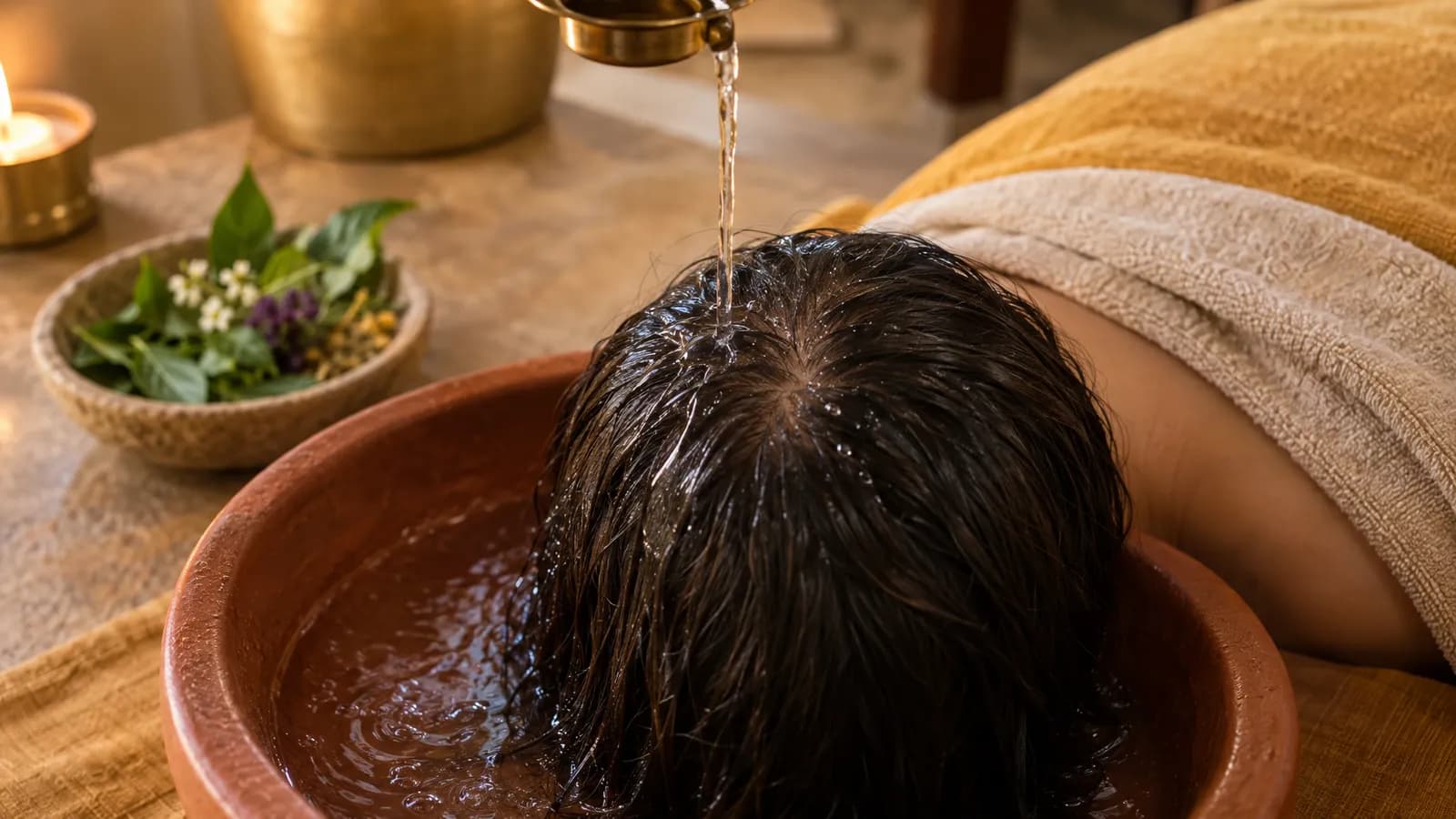
- Sacred Shirodhara Therapy: 75 minutes, $288. Gently heated oil flows steadily onto the forehead. The 90-minute Full Experience ($328) adds a deeper head massage and scalp care. Shirodhara in Palo Alto.
- Ethereal Chakra Drip: 75 minutes, $268. A flow of botanical essence over the scalp.
- Herbal Essence Facial: 75 minutes, $258, with herbal essence oils and sound bowl or music healing. The 90-minute Full Experience ($298) adds a chest and arm herbal compress or eye and scraping care.
- Combo Package – Customized Design: 2 hours, $358. Facial and body therapies tailored to your dosha type.
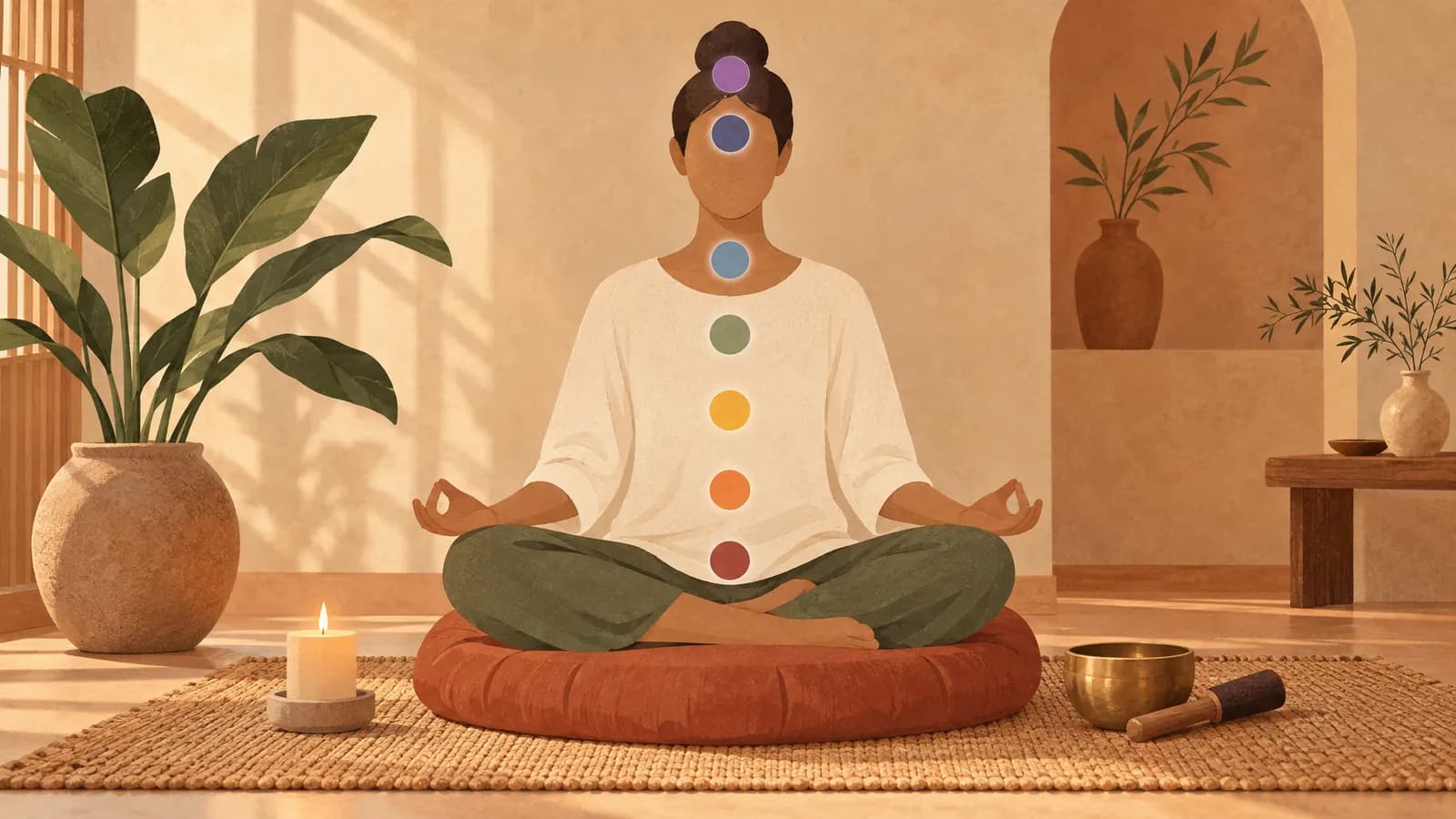
- Relax Therapy (60 minutes, 12:30 PM, up to 2 guests, $158) and Chakra Therapy (75 minutes, 2:00 PM, one guest, $198): the menu lists meditation, singing bowl therapy and Veda-Tea.
Still undecided between the two signature oil treatments? Shirodhara vs Abhyanga compares them. If you'd rather avoid oil in your hair or on your body, ask the studio which sessions can be done without it before you book.
Step 2: Book With the Schedule in Mind
Shanti Dhara is at 2875 Middlefield Rd, Suite 8, on the second floor, in Palo Alto. Opening hours from its listing:
- Tuesday and Sunday: 10:00 AM – 4:30 PM
- Wednesday to Saturday: 10:30 AM – 6:00 PM
- Monday: closed
Relax Therapy runs at 12:30 PM and Chakra Therapy at 2:00 PM. For the Nap Break's time, check the menu or ask the studio. Book through the menu or call (650) 283-9121. Ask about anything the menu doesn't cover, such as whether two people can be treated at the same time.
Leave slack on both sides of the appointment. After a 90-minute oil treatment you won't want to sprint to a meeting with oil still in your hair, so booking late in your day or on a day off is simplest.
Step 3: The Day Before and the Morning Of
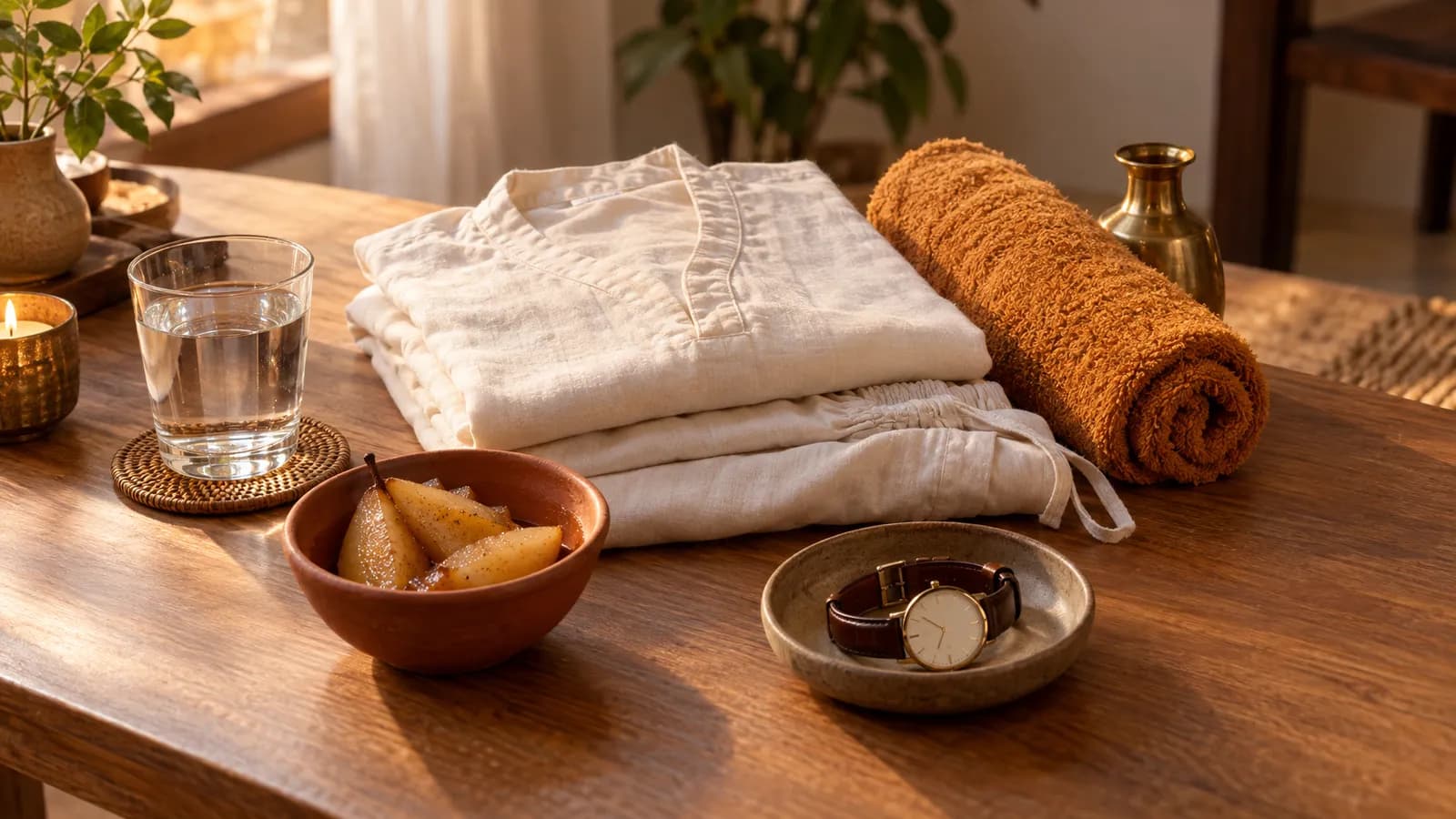
- Eat lightly. Lying face down on a full stomach is uncomfortable. A light meal a couple of hours beforehand is plenty.
- Don't arrive wired. If a big coffee makes you restless, have a smaller one or have it earlier.
- Skip fresh shaving or waxing on areas that will be oiled if your skin tends to sting afterward.
- Leave hair products and heavy makeup at home if you're booking Shirodhara, the Chakra Drip or a facial. Your hair and face will be worked on.
- Pack a hair tie, a scarf or hat, and clothes you don't mind getting oily. Dark, loose layers are easiest.
Step 4: Tell the Therapist What They Need to Know
This is the one step not to skip. The U.S. National Center for Complementary and Integrative Health (NCCIH) says the risk of harm from massage appears to be low. It notes, though, that rare serious side effects (blood clots, nerve injury and bone fractures) have been reported. Some cases involved vigorous techniques or vulnerable people, such as the elderly. NCCIH suggests talking with your health care provider first and not using massage to put off seeing a provider about a medical problem.
So before your session, mention:
- Pregnancy, or if you might be pregnant.
- Blood clots, a bleeding disorder, or blood-thinning medication.
- Recent surgery, injuries, fractures or osteoporosis.
- Skin conditions, broken skin, or allergies, including to nuts, seeds or fragrances, since herbal oils are used.
- Areas you'd like avoided, and whether you prefer lighter or firmer pressure.
One more safety point: this is about oils on your skin. If you're offered Ayurvedic products to take by mouth, anywhere, be careful. NCCIH warns that some Ayurvedic preparations may contain lead, mercury or arsenic in toxic amounts, and advises people with health conditions to talk with their conventional provider before using them.

Step 5: During the Treatment
What happens depends on what you booked. With Abhyanga, warm herbal oil is massaged over the body in long, flowing strokes. With Kati Vasti, warm oil is pooled over the lumbar area. With Podikizhi, warm herbal bundles are pressed along the body. With Shirodhara, a steady stream of heated oil flows onto the forehead. The Ethereal Chakra Drip sends botanical essence across the scalp. Relax and Chakra Therapy are listed as meditation, singing bowl therapy and Veda-Tea. If you need an oil-free session, confirm that with the studio when you book.
Speak up during the session. If the oil feels too warm, the pressure too firm, or the room too cold, say so. A good therapist would much rather adjust than have you lie there tense. Falling asleep is fine too.
Step 6: Afterward
- Take it slow. Sit up gradually and give yourself a few minutes before you drive.
- Expect oily hair after Shirodhara. Cover it with a scarf or hat on the way home and shampoo when convenient. It may take more than one wash. The Ethereal Chakra Drip is a botanical-essence water ritual rather than an oil pour, but your hair will still be wet or scented, so bring the scarf anyway.
- Keep the rest of the day light if you can. That's where the "reset" people describe tends to come from.
- Drink water and eat something simple if you're hungry.
If you felt unwell during or after a session (dizziness that doesn't pass, a rash, or sharp pain), tell the studio and check with your doctor.
What an Ayurvedic Treatment Is (and Isn't)
NCCIH describes Ayurveda as India's ancient medical system, one that combines plant-based products, diet, exercise and lifestyle. It adds that few well-designed trials or systematic reviews show Ayurvedic approaches to be effective, and that no U.S. state requires Ayurvedic practitioners to be licensed. Think of an Ayurvedic spa treatment as a traditional, deeply relaxing bodywork ritual, not a medical treatment. If you're curious about the dosha framework behind oil choices, start with Understanding Your Dosha and how Ayurvedic massage oils are chosen.
FAQ: Preparing for Your First Ayurvedic Treatment
What should I wear?
Loose, dark clothes you don't mind getting oily, plus a hair tie and something to cover oily hair on the way home. Skip hair products and heavy makeup if your head or face will be treated.
Which treatment is best for a first visit?
For a full-body oil massage, Abhyanga (75 minutes, $228) is the classic starting point. For a warm-oil treatment focused on the head, Sacred Shirodhara (75 minutes, $288). If you'd rather avoid oil, ask the studio which sessions can be done without it.
Do I need to know my dosha before booking?
The menu doesn't list a dosha requirement for booking. The only item described as tailored to your dosha type is the 2-hour Combo Package. If you're unsure whether a treatment needs any preparation or assessment, ask the studio when you book.
Is Shanti Dhara open on Mondays?
No. It's open Tuesday through Sunday. Tuesday and Sunday hours are 10:00 AM to 4:30 PM, and Wednesday to Saturday hours are 10:30 AM to 6:00 PM.
Can two people come together?
Relax Therapy takes up to 2 guests, and the Nap Break up to 3. For other treatments, call (650) 283-9121 to ask about timing two appointments together.